0 800 33 09 39Information service

Work times:
Mo
Tu
We
Th
Fr
09:00 - 20:00
Sa
09:00 - 18:00
Su
Day off
en
Defibrillators
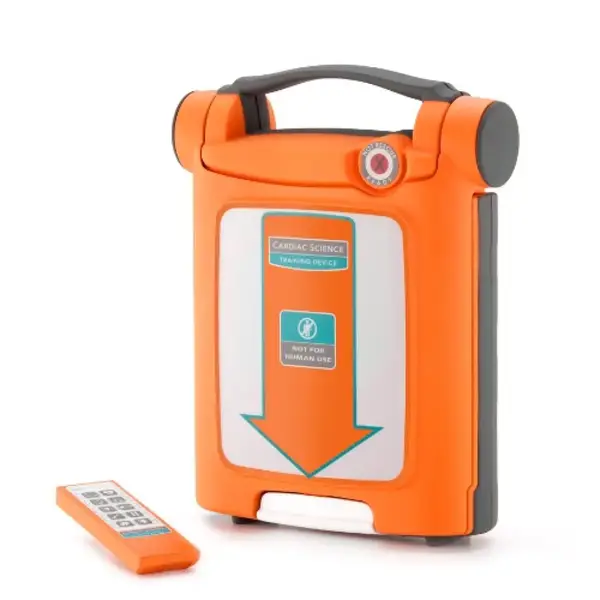
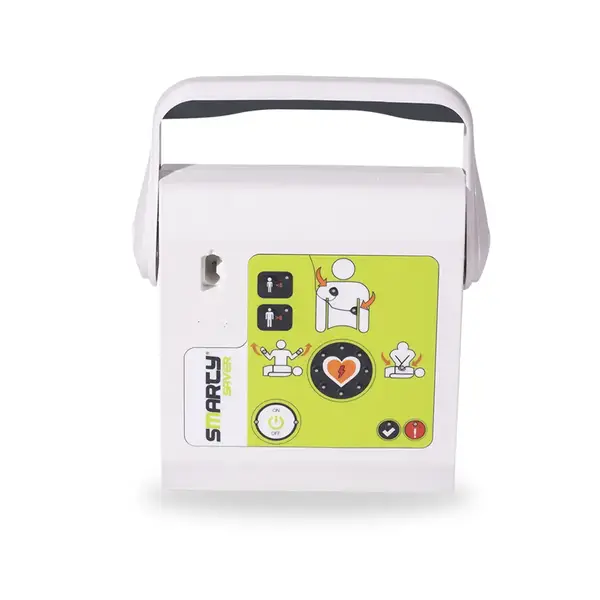
36 products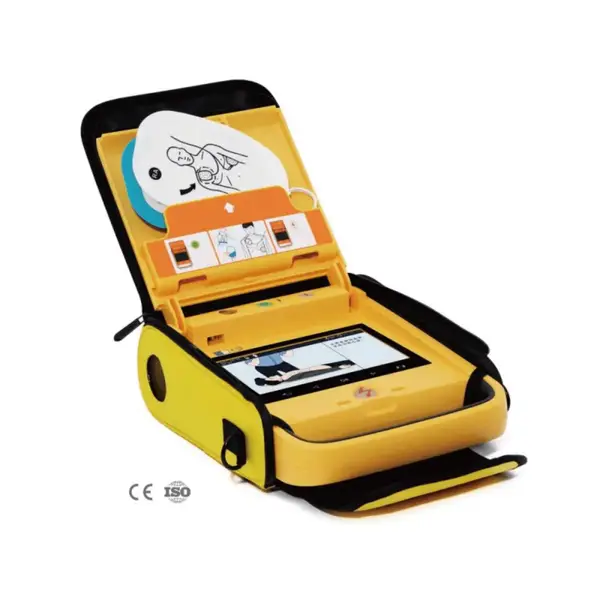


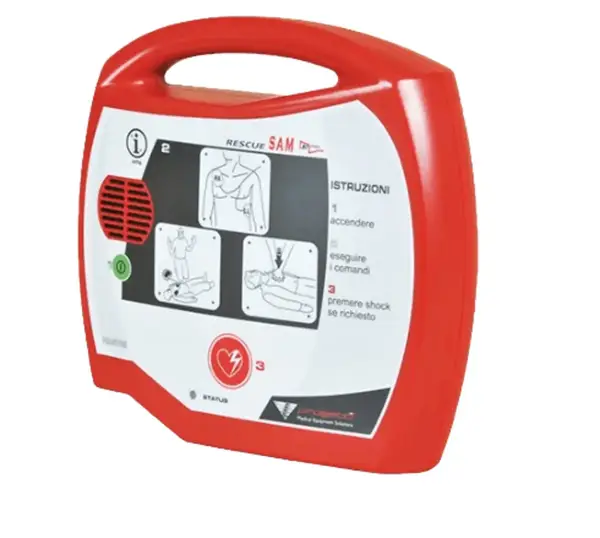
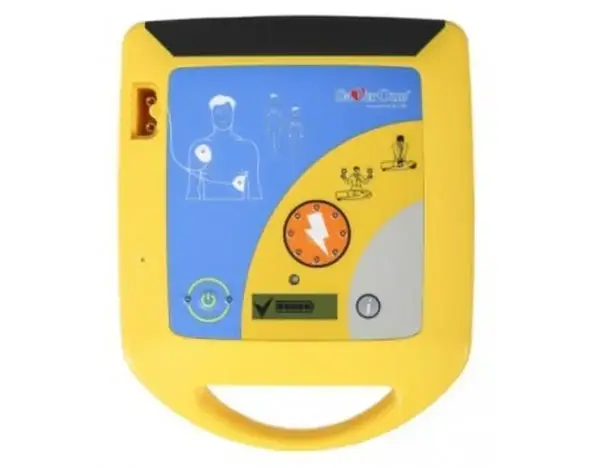
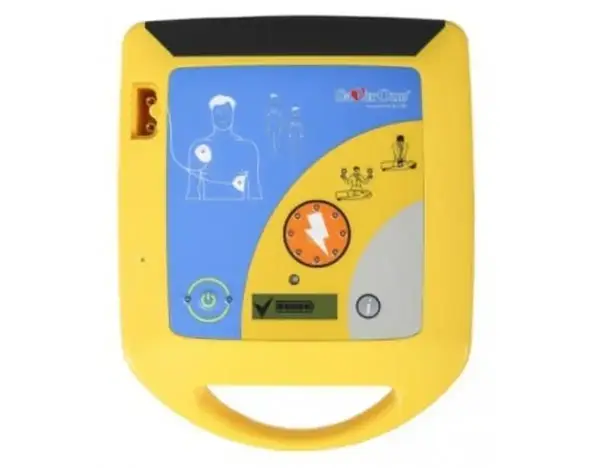
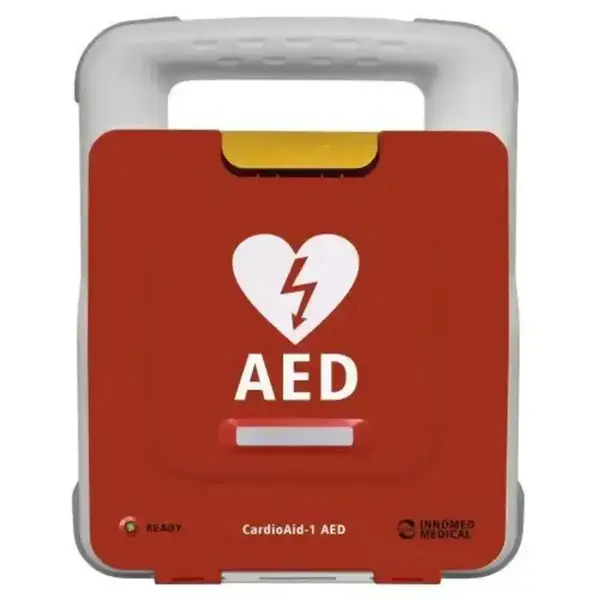
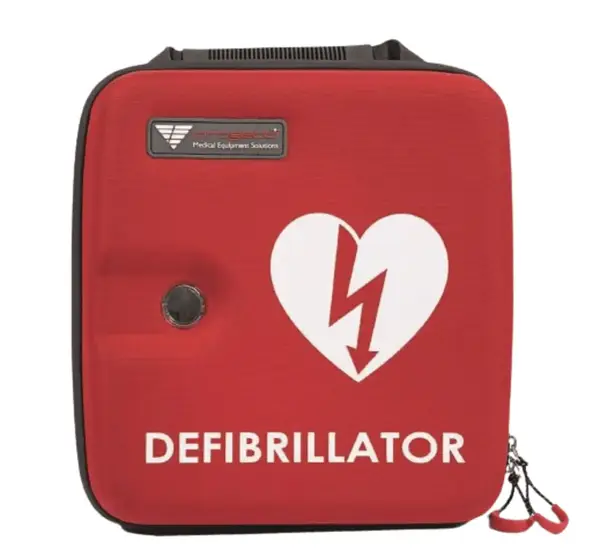
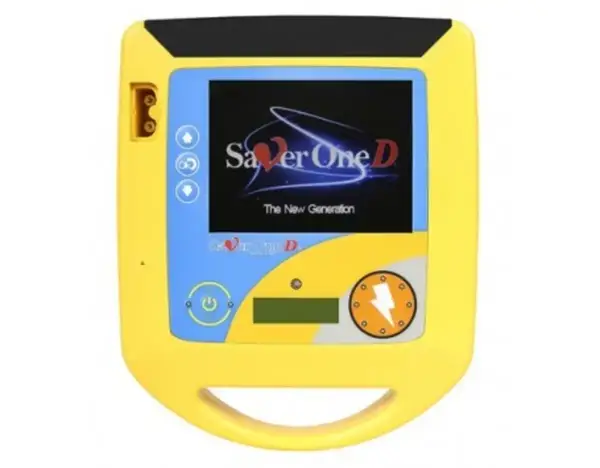
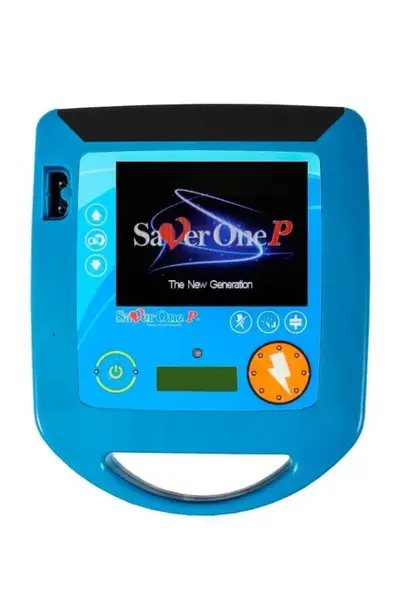
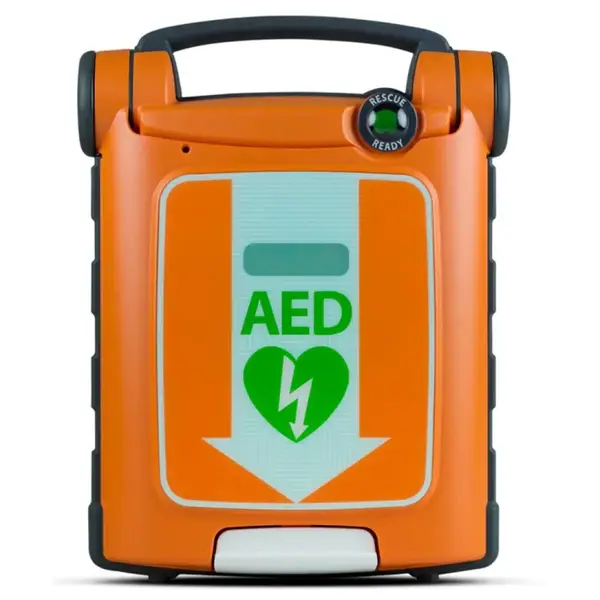
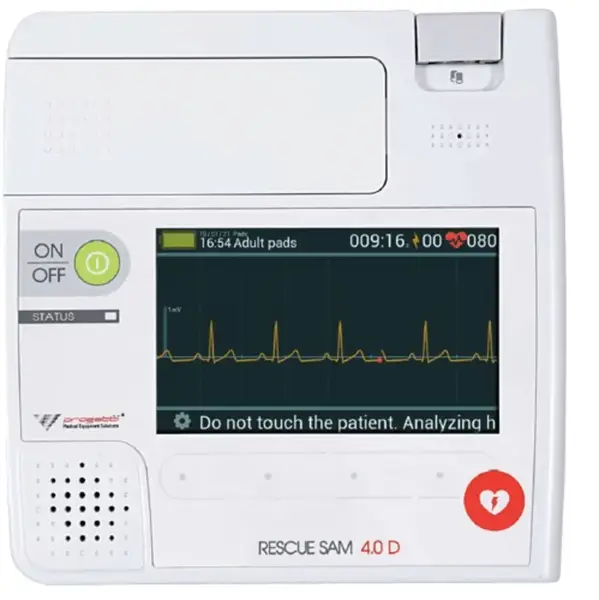

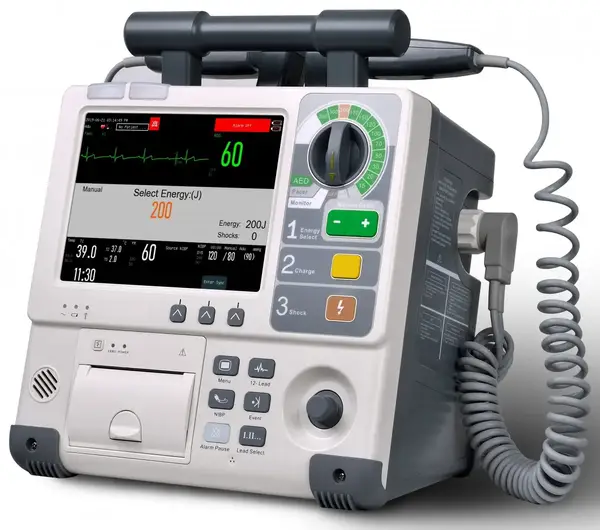
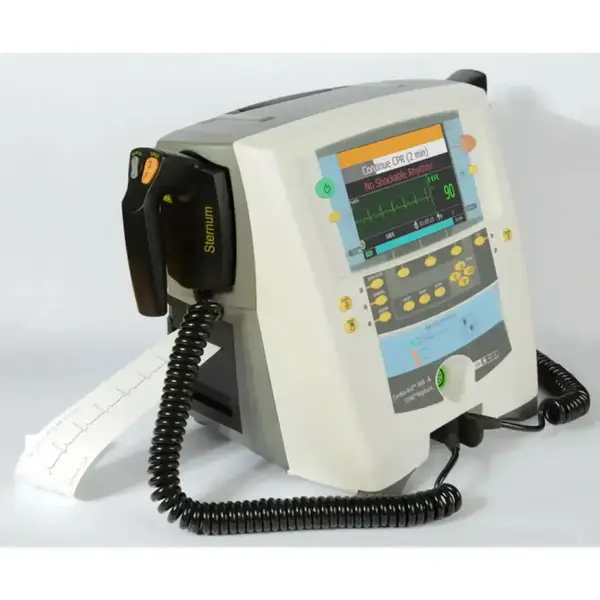
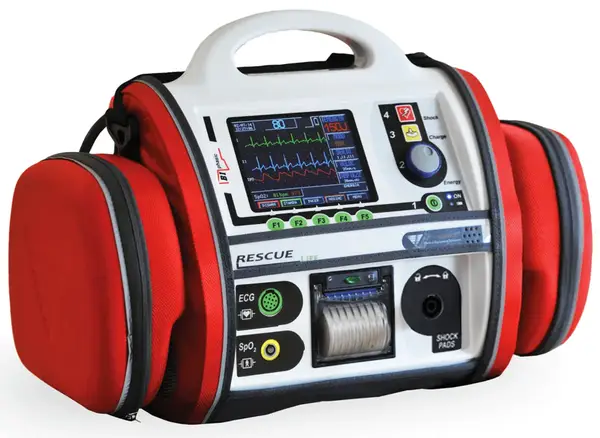
Defibrillators - types and principle of operation
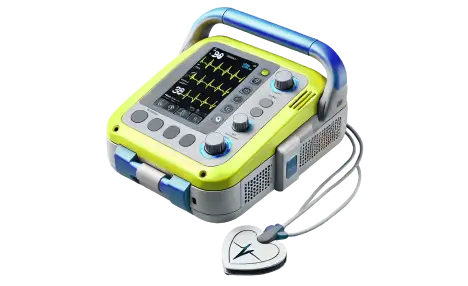
A defibrillator is a vital medical device that produces a controlled electrical discharge. The medical equipment is designed to perform defibrillation in patients with cardiac arrest, as well as to monitor blood pressure.
Types of defibrillators:
- Automated External Defibrillators (AEDs) are designed for public use by non-medical personnel in emergency situations. The defibrillator has built-in voice prompts and automatic heart rhythm analysis. It determines whether to perform defibrillation or not, you just need to listen carefully and follow the commands.
- Semi-automatic defibrillators also have voice guidance, but require the user to press a button to activate the shock.
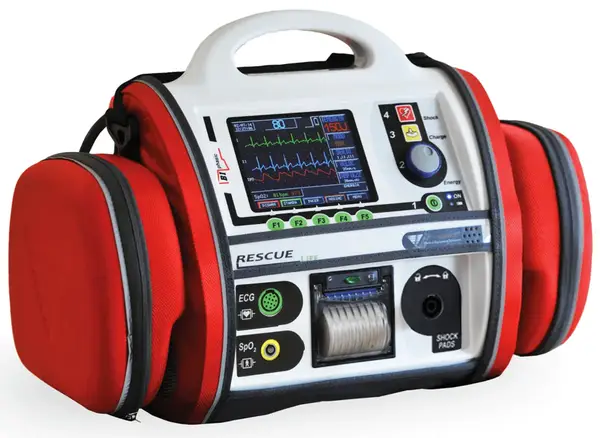
- Professional defibrillators used in hospitals and emergency medical services offer advanced features, including manual operation modes, multiple energy settings, a NiBP module that allows for non-invasive blood pressure measurement, and a pacing module that allows for cardiac stimulation.
It is important to refer to the manual and conduct training on the use of professional models.
Key features of modern defibrillators
Modern defibrillators combine advanced technology with a user-friendly design. They are lightweight and compact in size. This makes them easily portable for emergency response teams (ambulances).
Many defibrillators are designed with an intuitive interface and clear voice prompts that guide even untrained users, in critical situations, through the resuscitation process step by step.
Defibrillators have sophisticated algorithms to analyze the heart rhythm, automatically detect life-threatening arrhythmias, and recommend appropriate levels of discharge for defibrillation, while preventing accidental discharge.
There are medical defibrillators specifically designed for the field. They have a rugged design, extended battery life, and compatibility with standard medical kits, making them ideal for military medics and emergency response teams.
Types of defibrillators by purpose
Public access defibrillators (AEDs) are designed to be placed in high-traffic areas such as government offices, schools, train stations, and shopping malls, and come with a robust design, voice assistant, and automatic rhythm analysis so that even ordinary passersby can use the defibrillator.
Tactical defibrillators are designed to meet military standards. They are designed for use in environments where standard medical protocols are not possible, such as combat or extreme situations. It is important to have the skills to use them to provide effective care.
Emergency medical services rely on professional-grade defibrillators that combine advanced monitoring capabilities, multiple settings, and additional therapeutic functions such as stimulation and synchronized cardioversion. This allows paramedics to provide comprehensive cardiac care during transportation.
Defibrillators for home use, designed for people with heart rhythm disorders. This type of device has simplified operation and remote monitoring capabilities. Defibrillators work on the basis of electrical impulse therapy, which allows you to restore a normal heart rhythm using an electrical discharge.
How to choose a defibrillator?
Before you buy a defibrillator, you should first of all pay attention to ease of use. Intuitive controls and visual aids allow you to act quickly in emergencies, especially when you have to wait for medical professionals to arrive for some time.
The functionality of the device should be appropriate for the intended use: from basic AEDs for public places to advanced models with ECG monitoring, manual control and multiple therapy options for professional medical facilities.
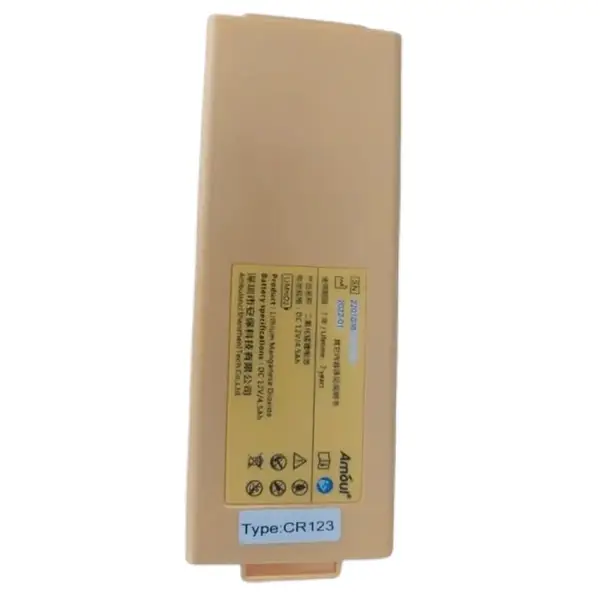
Battery efficiency is important, and the battery life is usually 4-5 years. Also pay attention to the number of discharges per charge, the cost of battery replacement, and the availability of alternative power sources. Of course, modern defibrillators should include clear voice prompts in the local language that guide users through each step of the resuscitation process.
Benefits of buying defibrillators on MediGo
The medical equipment supplier MediGo offers a wide range of medical equipment and certified defibrillators from the world's leading manufacturers. At the same time, each defibrillator meets strict international quality standards and has full warranty coverage and professional support.
Our experienced medical equipment consultants will help you choose the right defibrillator for your needs, whether it's for a medical facility, public place or tactical use. We offer flexible delivery options, including courier service, Nova Poshta, or pickup from our warehouse. Go to the defibrillator catalog on MediGo and choose the best solution for your needs!
FAQ
Can I use a defibrillator without a medical degree?
Yes, automated external defibrillators (AEDs) are specially designed for use by non-medical personnel and have an audible alert that guides users through each step of the process.
What is the difference between an automatic defibrillator and a semi-automatic defibrillator?
Automatic defibrillators deliver an electric shock without user intervention, while semi-automatic devices require the operator to press a button after the device analyzes the heart rhythm and indicates that a shock is needed.
How often do I need to perform maintenance?
Defibrillators should be professionally maintained at least once a year with monthly self-tests of battery condition, electrode life, and basic functions. As a rule, the manufacturer indicates the frequency of maintenance checks.