0 800 33 09 39Information service

Work times:
Mo
Tu
We
Th
Fr
09:00 - 20:00
Sa
09:00 - 18:00
Su
Day off
en
ECG devices
43 products

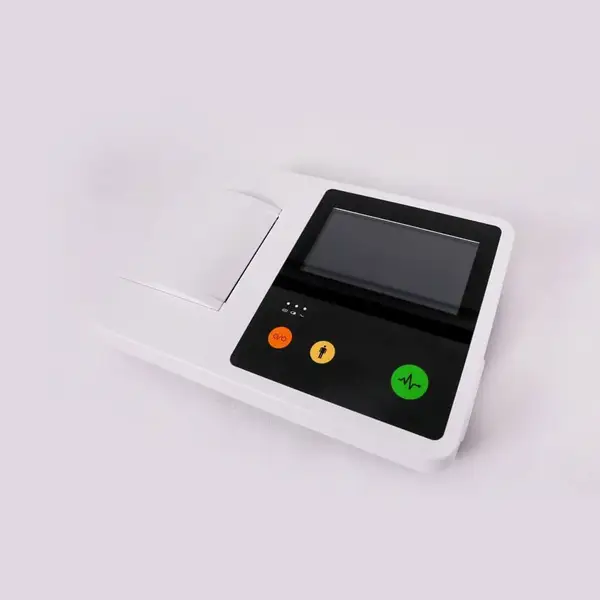
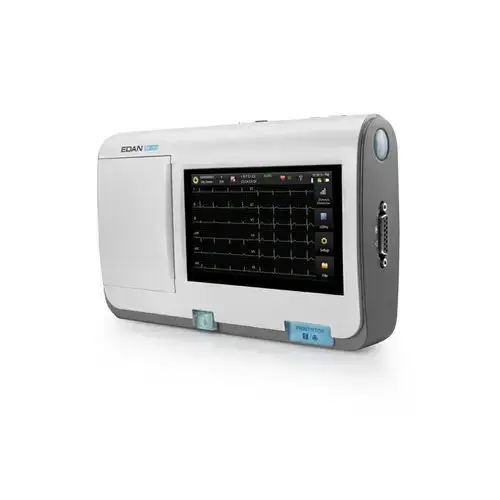
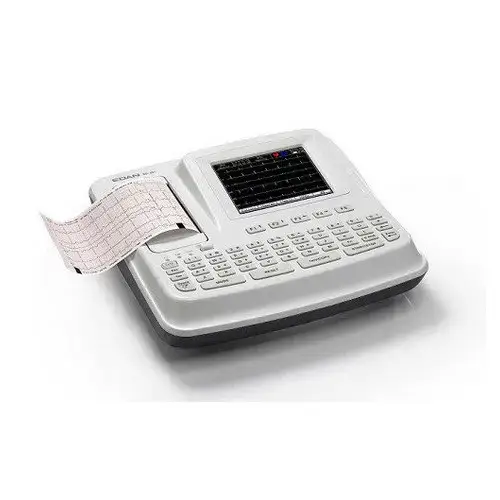
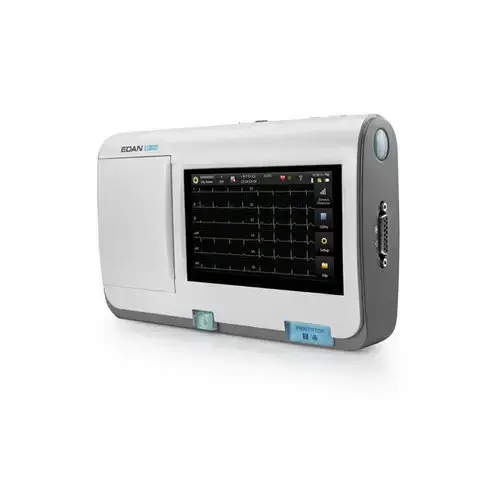
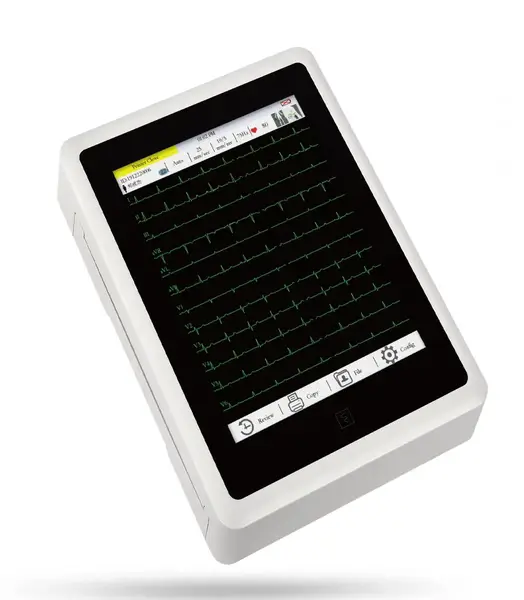


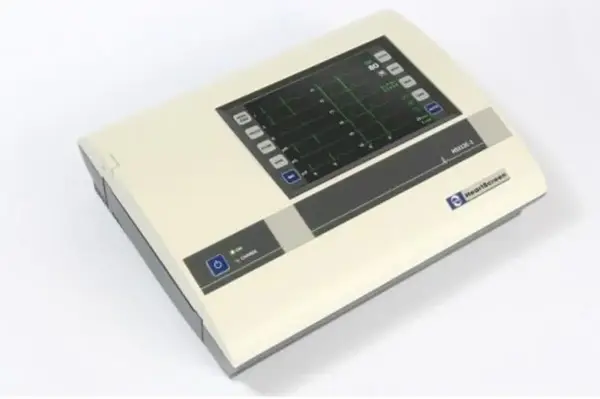
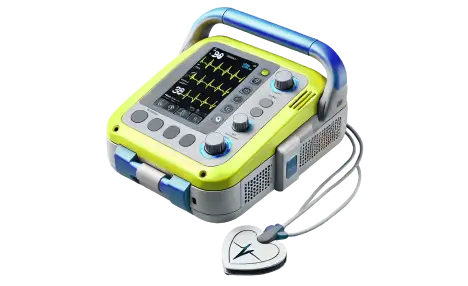
What is an ECG machine and how does it work?
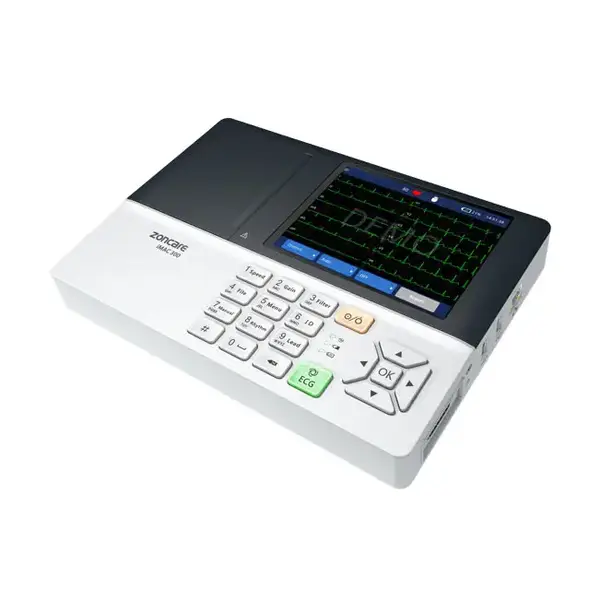
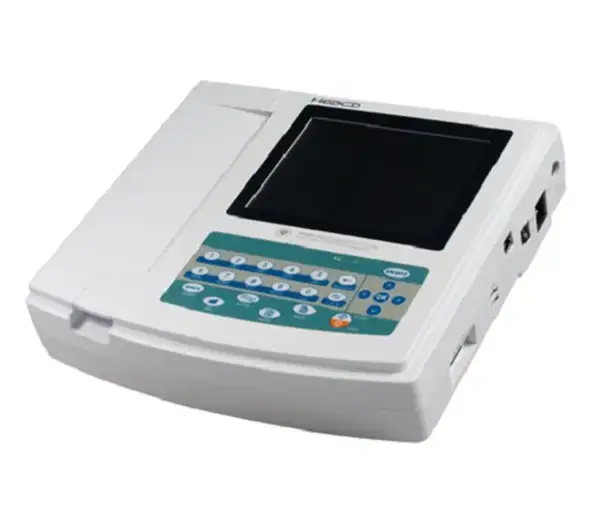
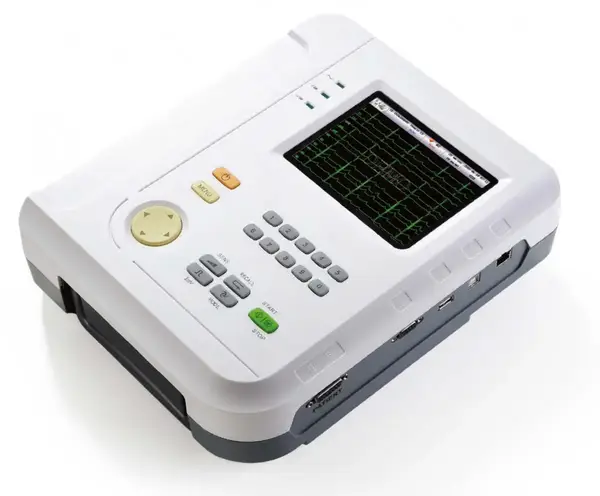
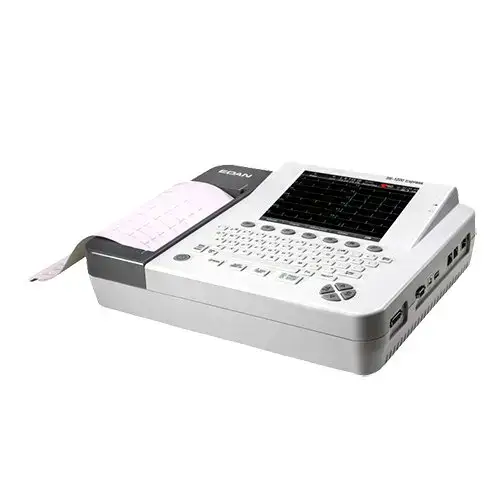
An electrocardiograph helps to quickly and accurately diagnose heart problems. It records the electrical activity of the heart using electrodes placed on the patient's body to detect small electrical changes that occur with each heartbeat. The ECG machine amplifies the electrical signals and converts them into waves that can be displayed on a screen or printed on paper (electrocardiogram). This creates a visual representation of the heart function over a certain period of time.
ECG machines are diagnostic tools used primarily in hospitals, clinics and emergency care facilities to detect heart rhythm disorders, assess heart damage and monitor cardiac function during treatment.
Electrocardiographs are especially important for specialists who need to quickly and accurately assess the patient's cardiac condition and make informed treatment decisions.
For example, cardiologists, general practitioners, and emergency medicine.
ECG machines are diagnostic tools used primarily in hospitals, clinics and emergency care facilities to detect heart rhythm disorders, assess heart damage and monitor cardiac function during treatment.
Electrocardiographs are especially important for specialists who need to quickly and accurately assess the patient's cardiac condition and make informed treatment decisions.
For example, cardiologists, general practitioners, and emergency medicine.
Types of ECG devices
There are four main types of electrocardiographs: stationary ECGs, portable devices, digital ECG systems, and multi-channel ECGs.
Stationary ECGs
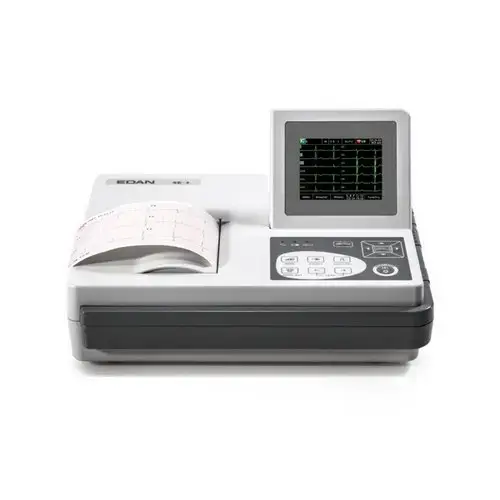
A stationary ECG machine, a sophisticated hospital-grade device that provides highly accurate readings and has multiple leads for comprehensive heart monitoring, as well as a built-in printer and large display.
Portable ECGs
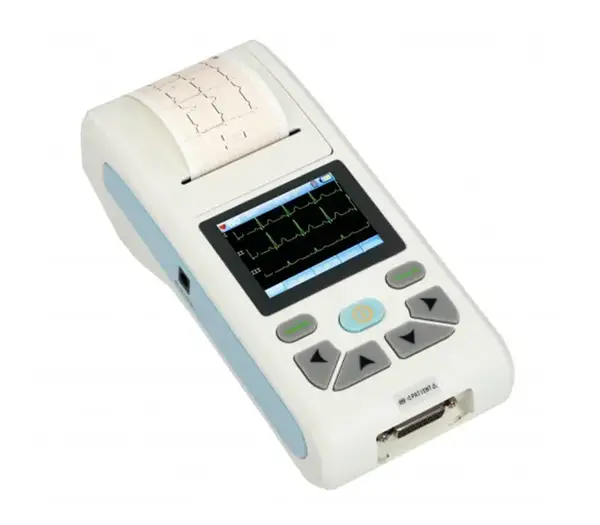
Portable electrocardiographs are compact, lightweight, battery-powered devices. They are used for emergency and home use and have basic heart monitoring capabilities, allowing healthcare professionals to perform important cardiac examinations anywhere.
Digital ECGs
Digital electrocardiographs are the latest advancement in cardiac monitoring. They are fully integrated with electronic medical record systems and sophisticated software that automatically detects abnormalities and provides instant analysis of heart rhythms.
Multichannel ECG
Multichannel electrocardiographs can simultaneously record electrical activity in several areas of the heart, providing comprehensive data at a glance that allows for detailed analysis of complex heart disease and more accurate diagnosis.
Key characteristics for choosing an electrocardiograph
- If you are planning to buy an electrocardiograph at Medigo.com.ua, pay attention to the number of channels when choosing one. More channels allow for faster ECG recordings. There are basic 1/3-channel and advanced 6/12-channel systems that provide the most detailed heart analysis in a short time.
- Display specifications affect the user experience, as color screens have better wave visualization than monochrome displays, and internal memory capacity and data storage capabilities determine how many ECG recordings can be saved and accessed later.
- Device mobility features, including battery life and weight, are important considerations, especially for healthcare providers who need to perform ECGs in different locations or during emergencies.
- Advanced connectivity options, such as Bluetooth integration, built-in printers, and PC compatibility, enhance the functionality of the ECG by providing seamless data transfer, instant printing of results, and integration with electronic medical record systems.
Benefits of buying an electrocardiograph from Medigo
The MediGo store offers a complete selection of high-quality electrocardiographs. In our catalog, you will find an ECG machine whose price corresponds to the quality. You can also count on expert advice from qualified specialists, who will help you choose the most suitable cardiology equipment for your specific medical needs. The store offers flexible delivery options, including convenient pickup, courier service in Kyiv, and sending by Nova Poshta. MediGo stands out for its exceptional customer service, professional technical support, and maintenance services.
FAQ
What is the difference between analog and digital ECG devices?
Analog ECG devices record heart activity directly onto paper using mechanical systems. Digital electrocardiographs convert electrical signals into digital data that can be stored, analyzed, and exchanged electronically.
Do ECG devices require maintenance?
Yes, ECG devices require regular maintenance, including calibration, electrode replacement, battery checks, and software updates.
How much does an electrocardiograph cost?
The price of an electrocardiograph varies significantly depending on the type and functions. For example, in MediGo, prices for an electrocardiograph start at 3990 UAH for basic portable models. The final cost depends on factors such as the number of channels, additional features, and whether the channel is analog or digital.