0 800 33 09 39Information service

Work times:
Mo
Tu
We
Th
Fr
09:00 - 20:00
Sa
09:00 - 18:00
Su
Day off
en
Operating light
86 products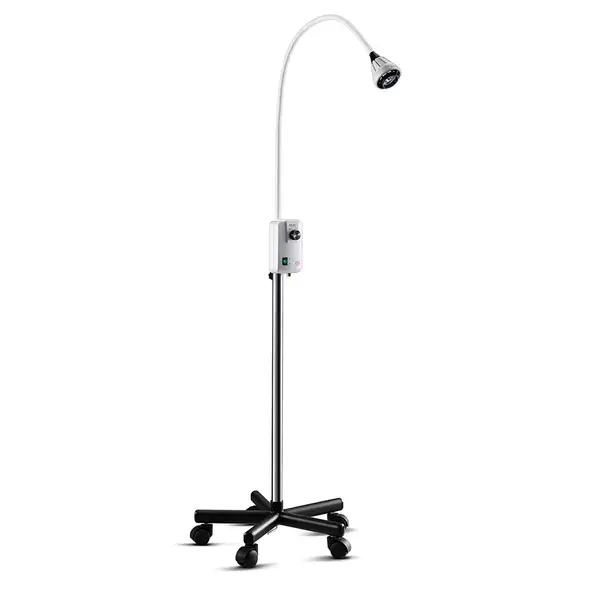

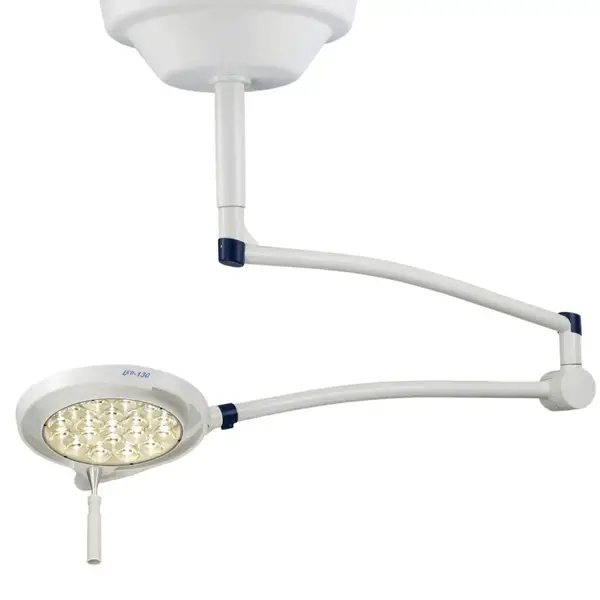
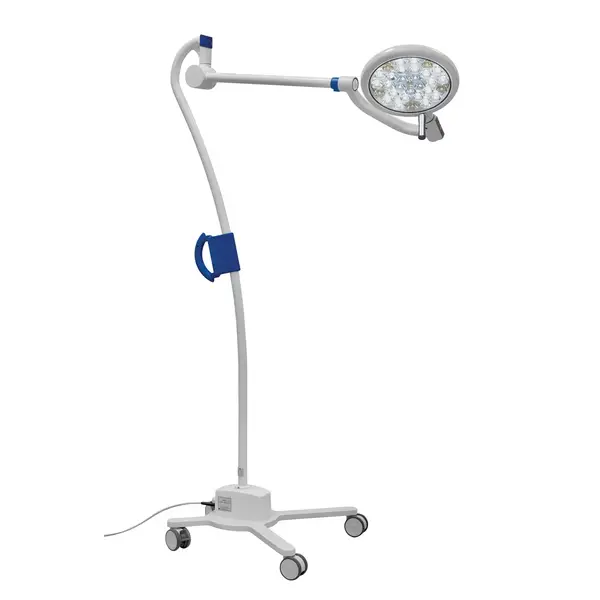
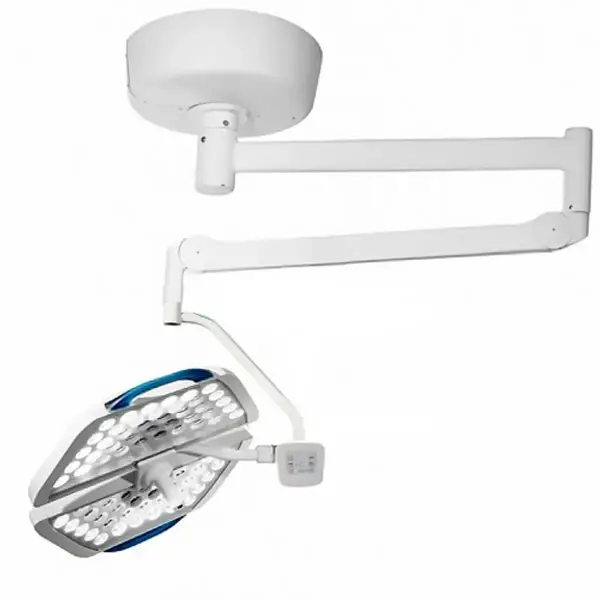
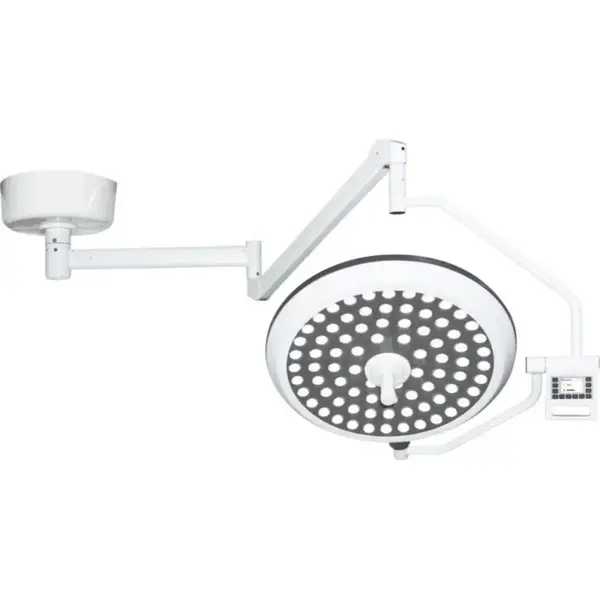
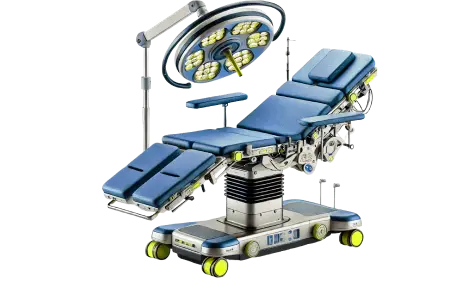
Operating lamps: features and differences
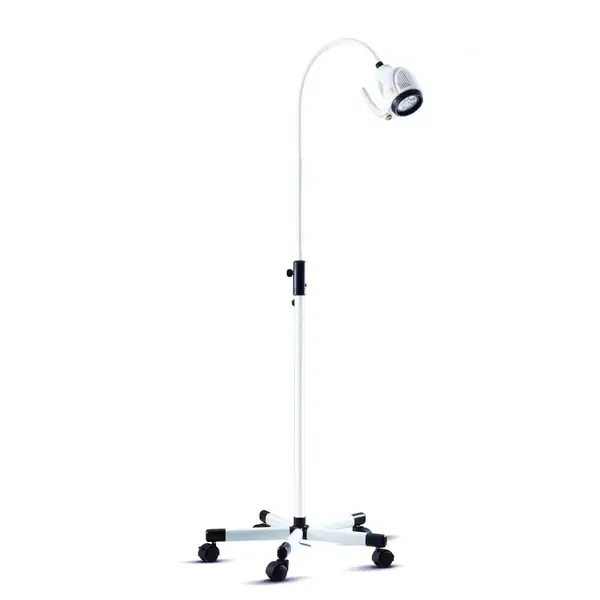
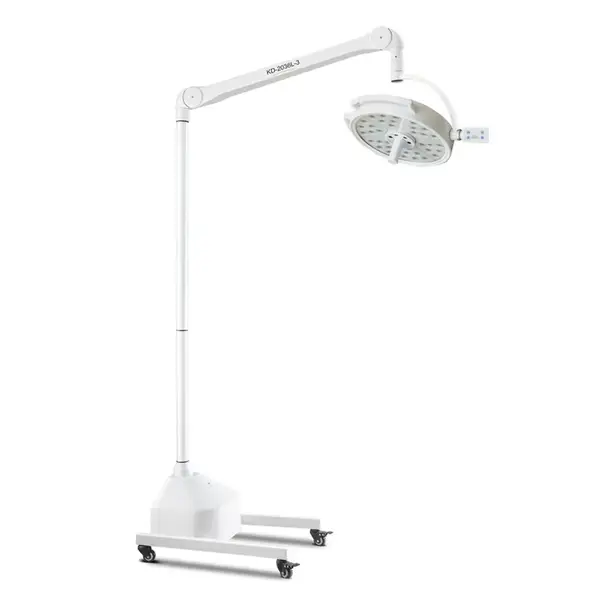
Operating lamps are specialized equipment that provides full, clear, uniform and unobstructed illumination of the surgical field directly during surgical interventions. Examination lamps - a modern universal solution designed for medical examinations, diagnostic procedures and manipulations in various medical centers and cosmetic institutions. Both devices are designed for the accuracy of the diagnostic process and the effectiveness of treatment of any complexity.
Advantages of modern operating lights
Shadowless technology uses a multi-beam system with a large number of lighting elements placed at different angles, which allows light beams to bypass obstacles in the form of surgical instruments or the doctor's hands. This ensures almost complete absence of shadows in the working area. The operating lamp can be easily adapted to the specifics of a particular type of operation, and is the best option for complex surgical interventions such as thoracic and neurosurgery.
Light-emitting diode (LED) lamps used in surgical light are energy efficient with a stable luminous flux throughout the entire period of operation. LED lamps have a long service life - from 50,000 hours, minimal heat generation, depending on the total number of elements in the lamp.
Not all models havedimming and temperature control, but this feature is an advantage. The option allows you to smoothly adjust the intensity and change the color temperature from min. to max. Basic models usually have fixed parameters, which does not affect its main function.
Types of operating lights
The followingtypes of operating lights are offeredby type ofmounting:
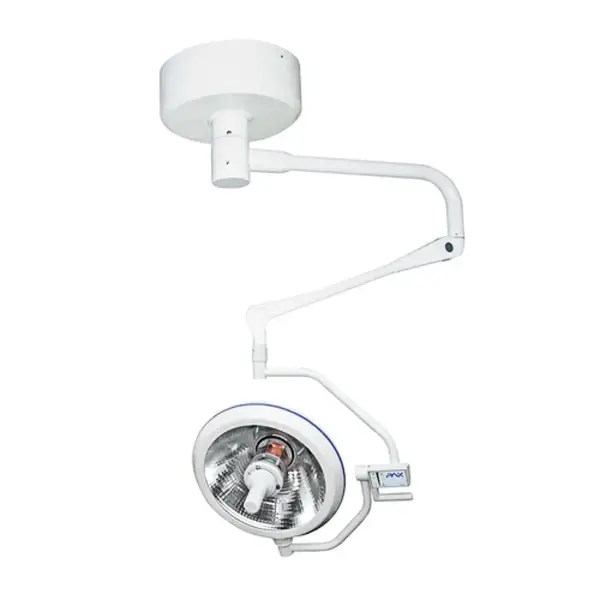
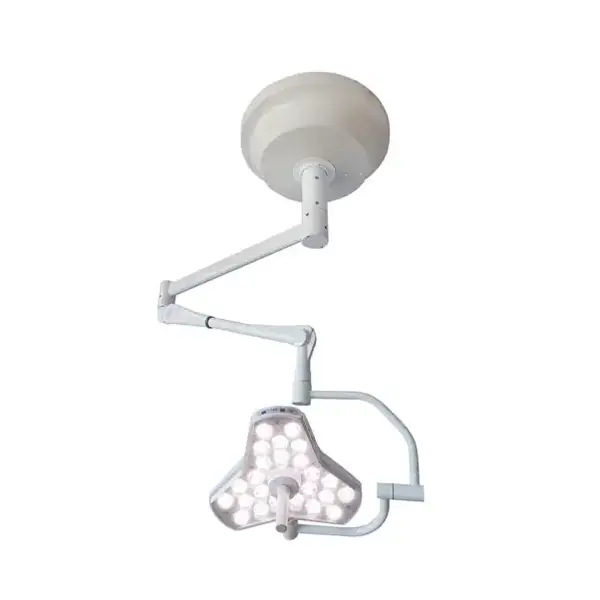
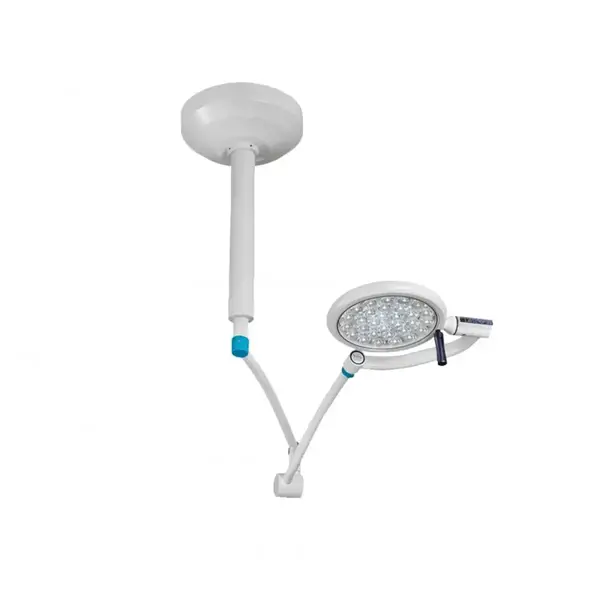
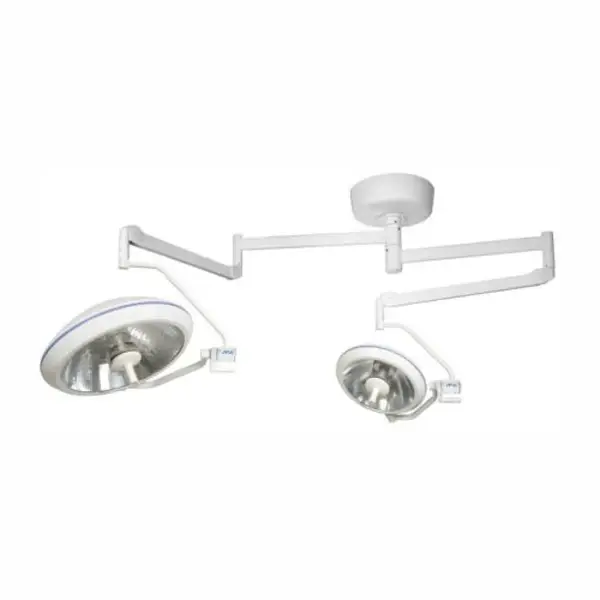
- Ceiling lights for the operating room are installed at a fixed point on the ceiling of a large or small operating room. The equipment is available in versions with several lighting heads.
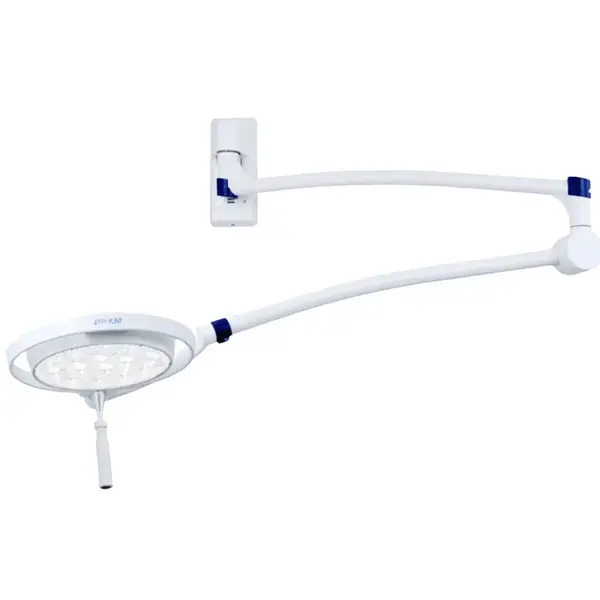
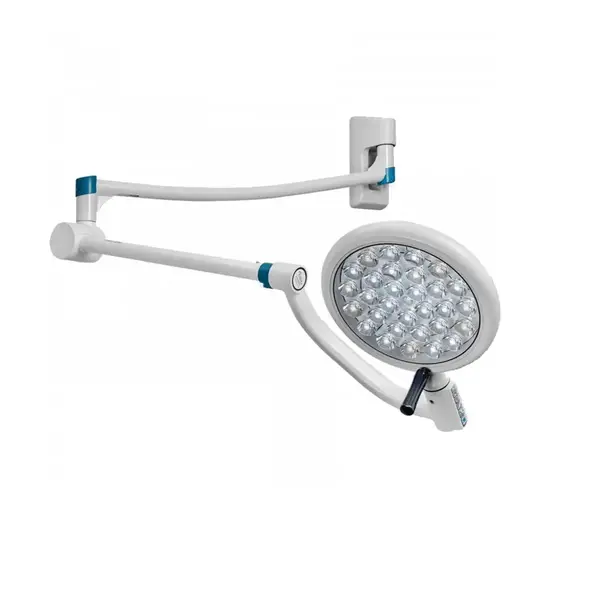
- Wall-mounted models provide localized lighting and are used in stationary operating rooms, examination and treatment rooms, and dental offices.
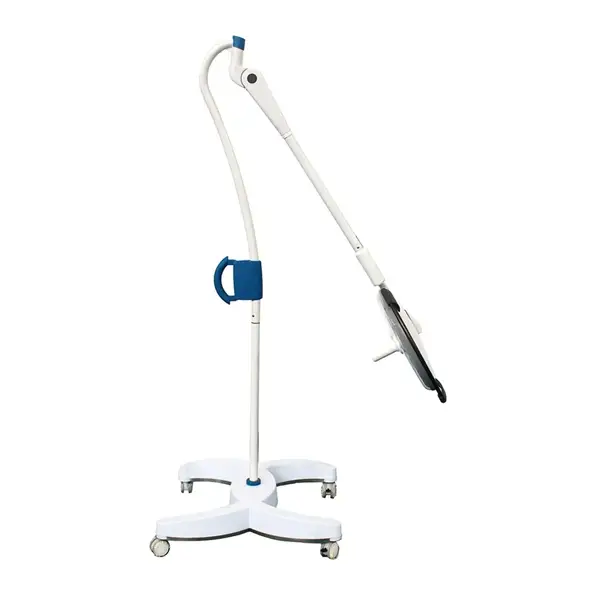
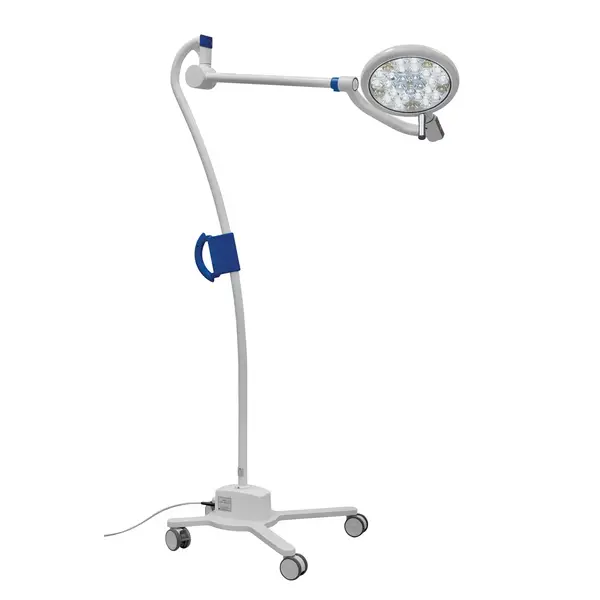
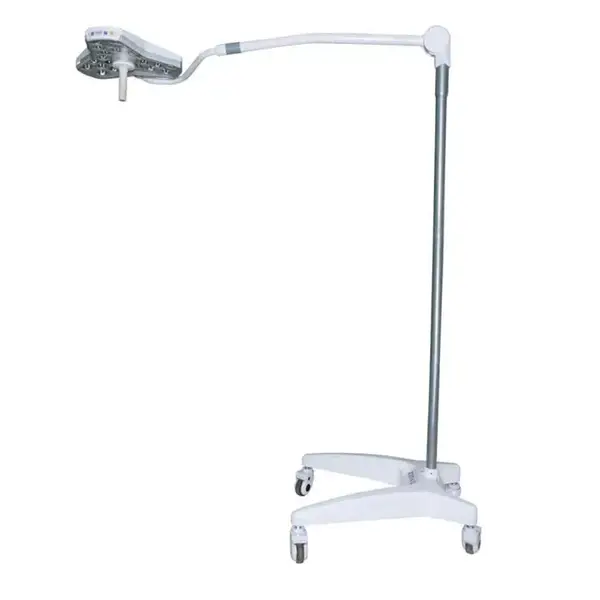
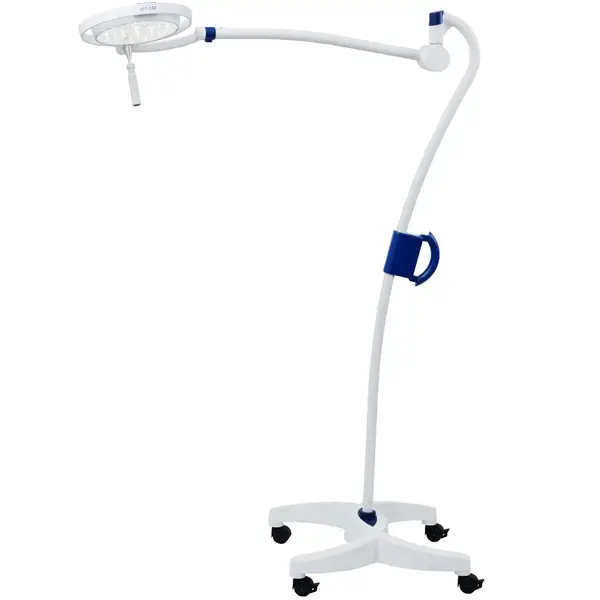
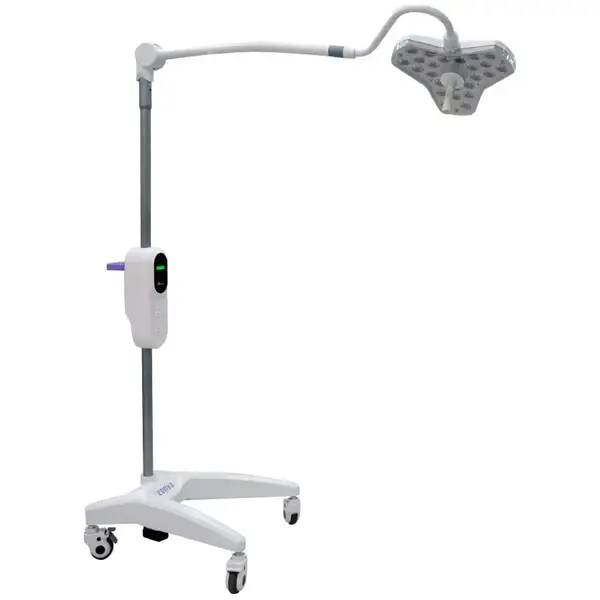
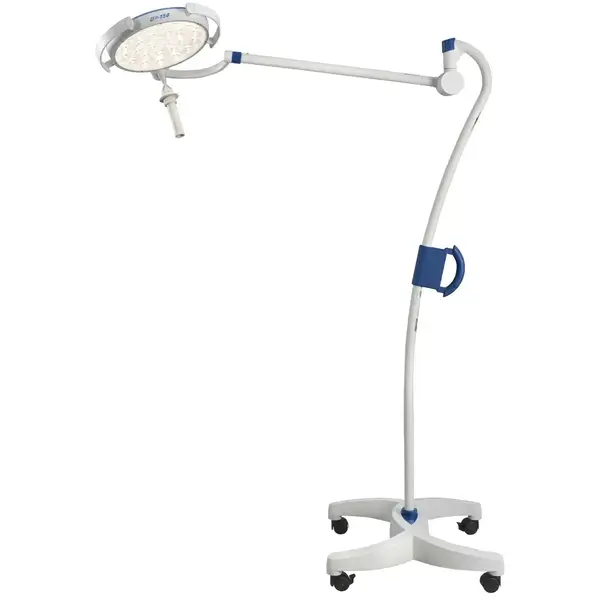
- Mobile operating room lamps are versatile, practical portable systems that can be easily moved thanks to the wheeled base. They are indispensable in field hospitals, for diagnostics and for performing minimally invasive interventions. To ensure autonomy, they have a battery power supply.
Ceiling and wall lights for medical and surgical purposes are the main source of lighting. In medical institutions, it is possible to combine different models at the same time to create a high-quality lighting system.
The following types of operating lights are distinguished bytheir design :
- Single-dome luminaires are compact, practical equipment designed for small rooms. Such options are usually installed in examination rooms, manipulation rooms, or small operating rooms.
- Two-dome lamps are a universal system used in most operating rooms. The presence of a monitor bar is an additional advantage.
Key features when choosing a lamp
The medical field has certain requirements for the technical characteristics of surgical lamps:
- Light intensity of the lamps. In surgical practice, the smallest details must be clearly visible, and this is achieved by a luminous flux of up to 160,000 lux.
- Adjustment of the angle of inclination, height and direction, position, distance adds to the convenience of operation. Adjustment is carried out by a pantograph with a 360° rotation angle to install the luminaire in any convenient position.
- Sanitary and hygienic requirements for lamp body materials. The smooth surface and fully sealed housing with streamlined shapes allow for disinfectant treatment.
- Additional functions in surgical lamps - gesture sensors, emergency power supply, telemedicine system - add even more convenience and efficiency to medical interventions for staff and patients.
Areas of application for surgical lamps
The medical platform Medigo.com.ua offers lighting equipment from trusted manufacturers - ATESE, BARRFAB, Etkin, Zenva for various applications:
- Surgical operations in hospitals - general, thoracic, neurosurgery, oncological interventions, microsurgery, etc.
- Dental and cosmetic procedures - dental manipulations, maxillofacial surgery, plastic surgery, microsurgery in cosmetology, prosthetics, etc.
- Specialized medical examinations - gynecological, urological, dermatological examinations, as well as biopsies and minimally invasive interventions.
Each of these areas requires specific lighting settings and an approach to the use of surgical lamps. Additionally, the lighting is used in emergency, military field medicine, training medical centers, etc.
Why buy an operating lamp from MediGo?
MediGo offers to buy operating lamps and other operating equipment in just a few clicks. Our company has a comprehensive approach to the sale of medical equipment, providing: professional telephone consultation, individual selection of equipment and full support: from selection to installation and configuration. We also offer staff training in working with the equipment, warranty and post-warranty service.
Delivery options for fixtures and lamps:
Delivery options for fixtures and lamps:
- Pickup (40 Ushinskogo St., bldg. T, office 302)
- MediGo courier
- New mail (branch/post office/address delivery)
Free delivery for orders from UAH 30,000.
FAQ
What is the difference between operating lights and examination lamps?
Operating lamps differ from examination lamps by their extremely high light intensity (100,000-160,000 lux), a more sophisticated shadowless lighting system, minimal heat radiation, and a special design to ensure maximum accuracy during surgical interventions, as opposed to simpler examination lamps with lower intensity and lighting range.
What is shadowless technology in luminaires and why is it important?
Shadowless technology uses a multi-beam lighting system with numerous light sources at different angles, which allows light beams to bypass obstacles, providing almost no shadows and perfect visibility of the surgical field. This is especially important during complex surgical interventions.
Why are LED lamps better than halogen lamps in operating rooms?
Light-emitting diode (LED) lamps in surgical lighting are highly efficient light sources characterized by a long service life, stable luminous flux, and minimal heat generation. Halogen lamps have less stable luminous flux, high power consumption, and short service life.