0 800 33 09 39Information service

Work times:
Mo
Tu
We
Th
Fr
09:00 - 20:00
Sa
09:00 - 18:00
Su
Day off
en
Anti-decubitus pillows
10 products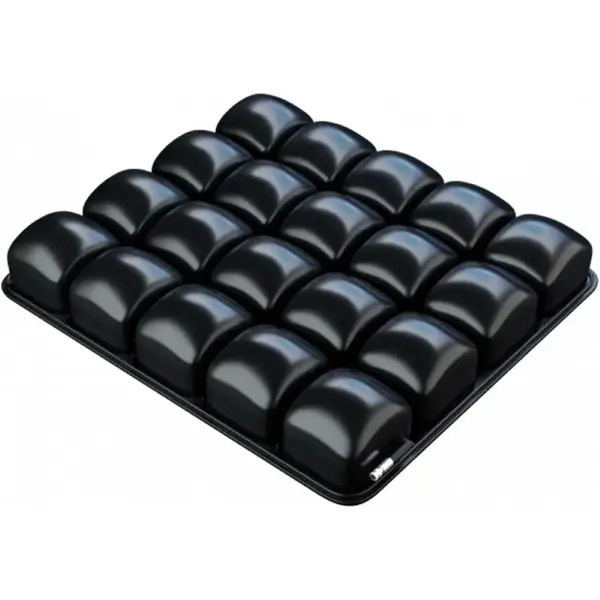
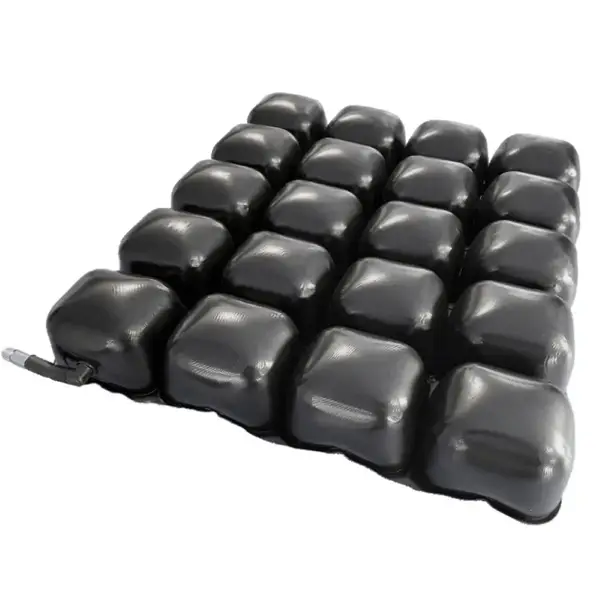
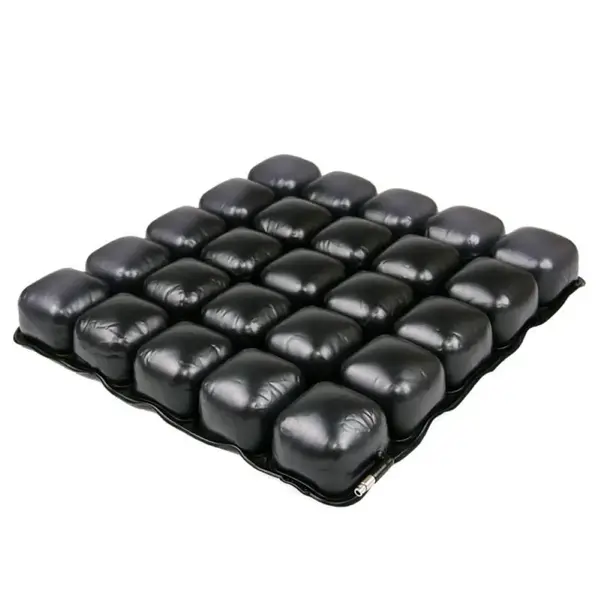
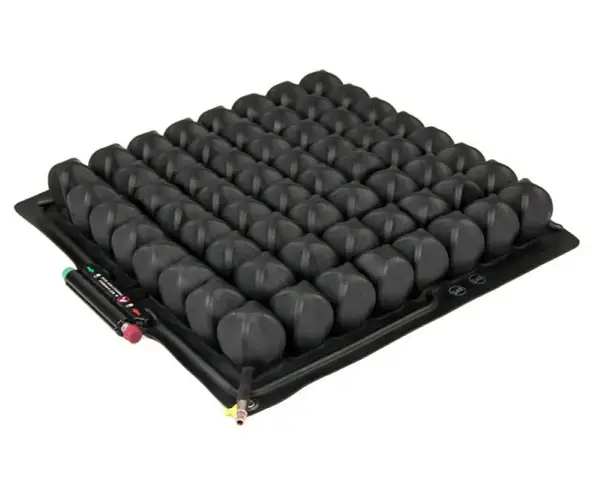
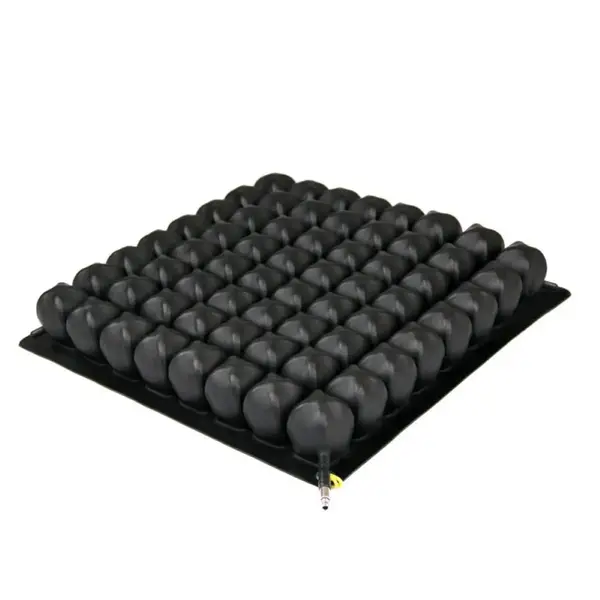
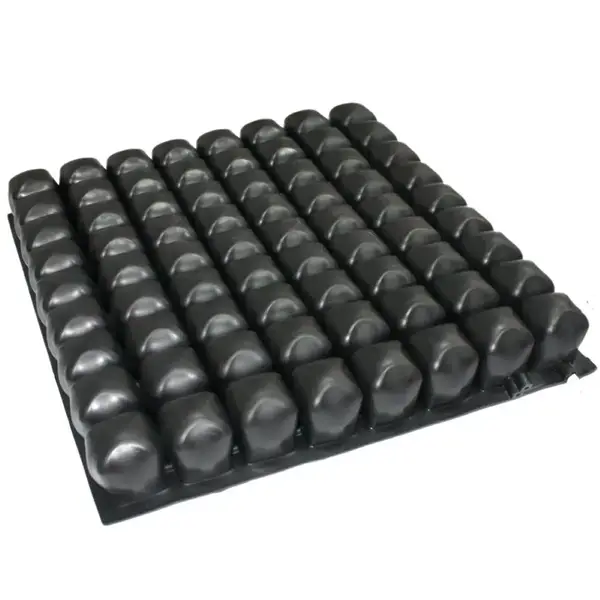
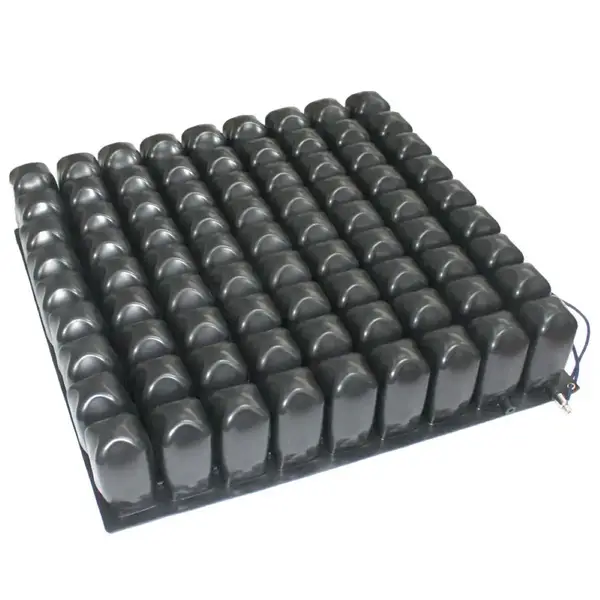

Why do you need a pressure ulcer cushion?
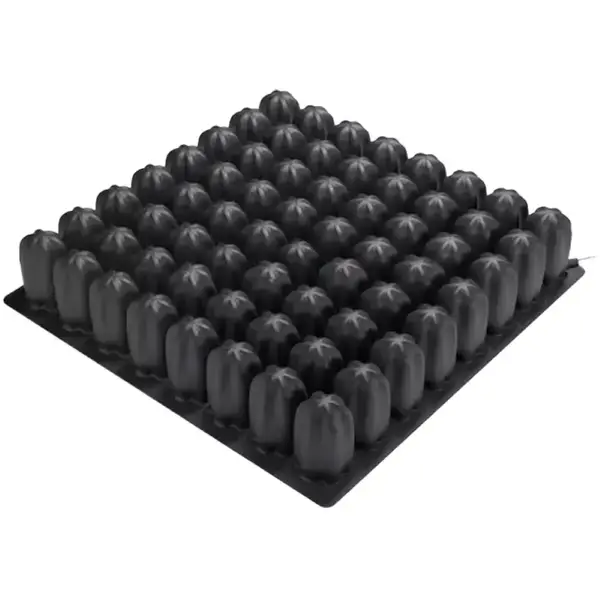
A pressure ulcer cushion reduces the risk of tissue damage, provides comfort and helps you take care of your health. Pressure ulcers occur when prolonged pressure on the skin and tissue restricts blood flow, causing pain and tissue necrosis. They often occur in immobile, bedridden patients and pose a serious health risk. An anti-decubitus cushion reduces pressure, distributes weight evenly, improves blood circulation and prevents ulcers. Air models provide controlled support during prolonged sitting or lying down, improving the quality of life of bedridden patients.
Who is recommended to use anti-decubitus pillows
Anti-decubitus cushions have a preventive effect and help to care for vulnerable groups.
It is necessary to buy a pillow against pressure ulcers for people with limited mobility. For example, those in wheelchairs or bedridden may suffer from diaper rash and pressure sores.
Also, patients after surgery who need prolonged rest will benefit from a pillow against pressure sores.
People with chronic illnesses that require prolonged sitting or lying down also need anti-decubitus pillows.
It is necessary to buy a pillow against pressure ulcers for people with limited mobility. For example, those in wheelchairs or bedridden may suffer from diaper rash and pressure sores.
Also, patients after surgery who need prolonged rest will benefit from a pillow against pressure sores.
People with chronic illnesses that require prolonged sitting or lying down also need anti-decubitus pillows.
Types of anti-decubitus pillows
Each type of pressure ulcer pillow is designed to meet specific needs and provide maximum support for people at risk of developing pressure ulcers. The main types include:
- Gel. Filled with a cooling gel that provides excellent temperature regulation.
- Memory foam/foam. Take the shape of the body for individualized support. Lightweight and affordable, suitable for moderate risk users.
- Inflatable. Allows you to adjust the stiffness, they are also portable, but less durable with intensive use.
- Combined (gel + air). Universal models are used for the prevention and treatment of pressure ulcers from 1 to 4 degrees.
It is important to consult a doctor or wound care specialist. The expert's advice will help you choose the anti-decubitus cushion that is best suited for your specific situation.
How to choose an anti-decubitus pillow?
The choice of a specific type depends on the individual needs of the user, the degree of risk of developing pressure ulcers, weight, mobility and personal preferences, and should also take into account
- Filling material. Gel for cooling, foam for light support or combined for versatility.
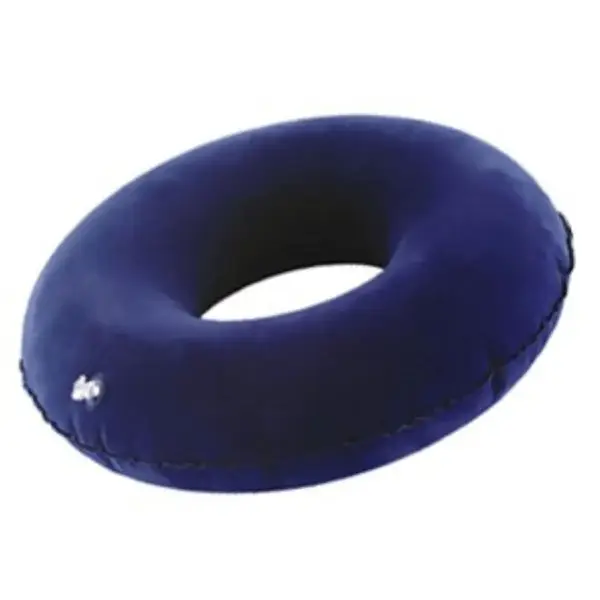
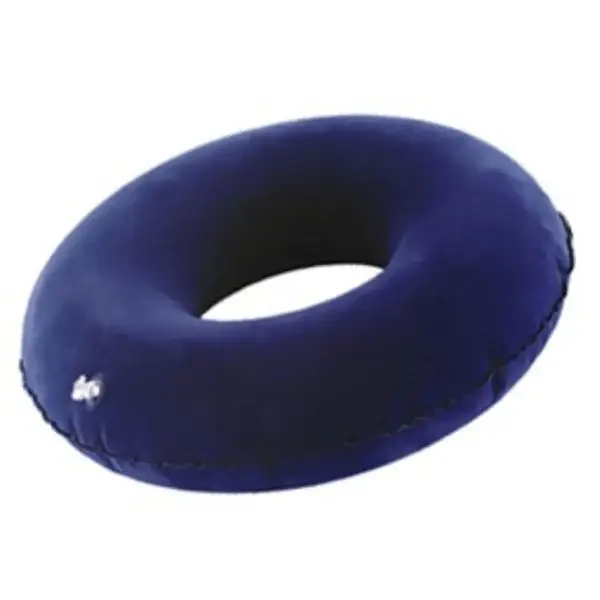
- Shape. Cushions for seating and wheelchairs are square, conical for patients after surgery, and round for neck support.
- Risk level. High-risk users need gel or combination models, while low-risk users can choose polyurethane foam/ polyurethane foam.
- Size and weight of the user. Make sure the cushion supports the patient's body properly for optimal pressure distribution.
Also pay attention to the material of the surface and whether it has a removable cover for easy cleaning.
Benefits of pressure ulcer cushions from the MediGo catalog
The MediGo medical platform offers certified medical equipment with a manufacturer's warranty. Consultations with our experts will help you choose the perfect model of an anti-decubitus pillow. The anti-decubitus cushions presented in our catalog are designed for durability and comfort and meet a variety of needs. We guarantee fast and reliable delivery by couriers in Kyiv and by Nova Poshta in Ukraine. We also provide after-sales service.
FAQ
Does a pressure ulcer cushion help reduce pain?
Yes, it redistributes pressure, improves blood circulation, and relieves discomfort from prolonged sitting or lying down.
What type of cushion is best for sedentary users?
Gel or combined (gel + air) pillows are ideal for wheelchair users or sedentary patients.
How to care for a pressure ulcer pillow?
Wash the cushion with a safe detergent, avoid contact with sharp objects (especially for inflatable models), and follow the manufacturer's maintenance instructions.