0 800 33 09 39Information service

Work times:
Mo
Tu
We
Th
Fr
09:00 - 20:00
Sa
09:00 - 18:00
Su
Day off
en
Syringe pumps
17 products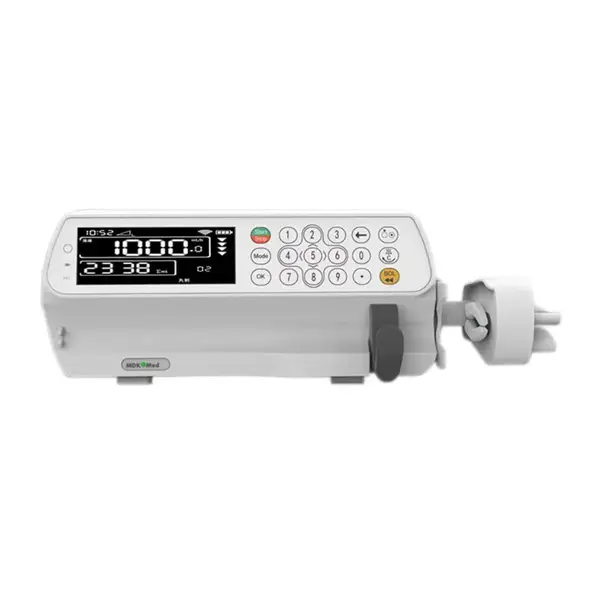
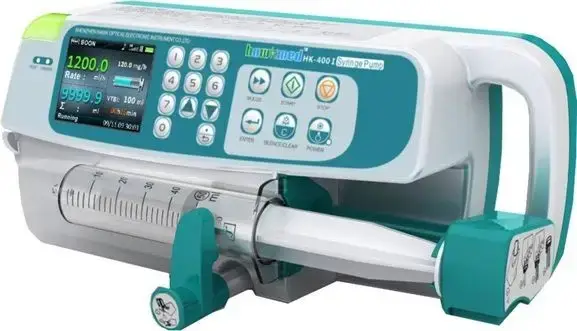
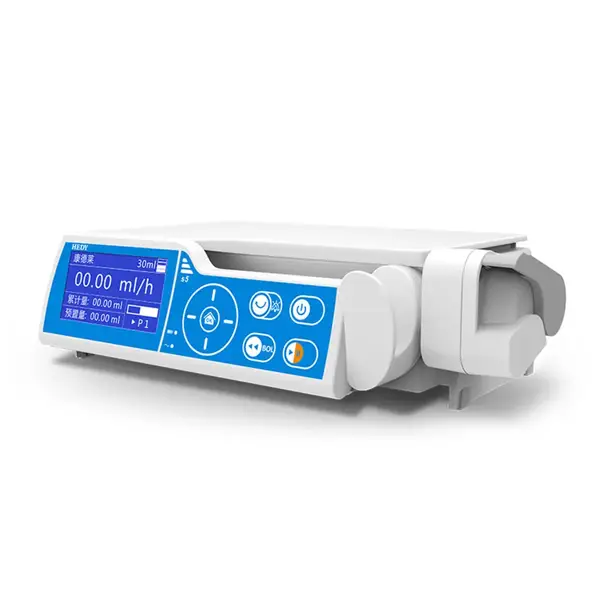


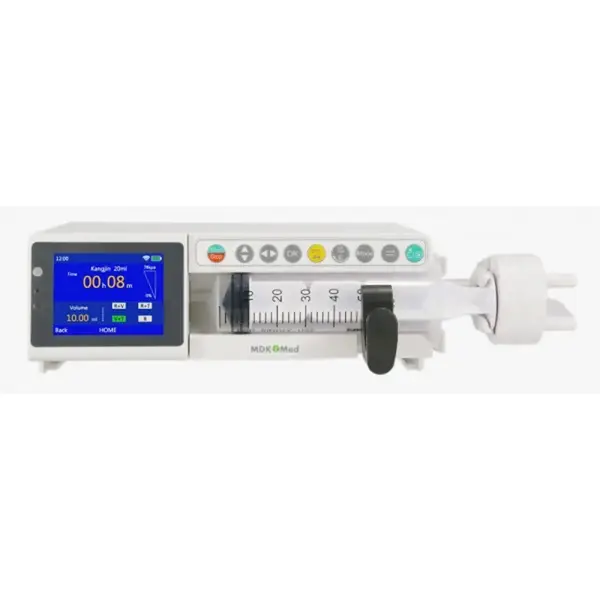
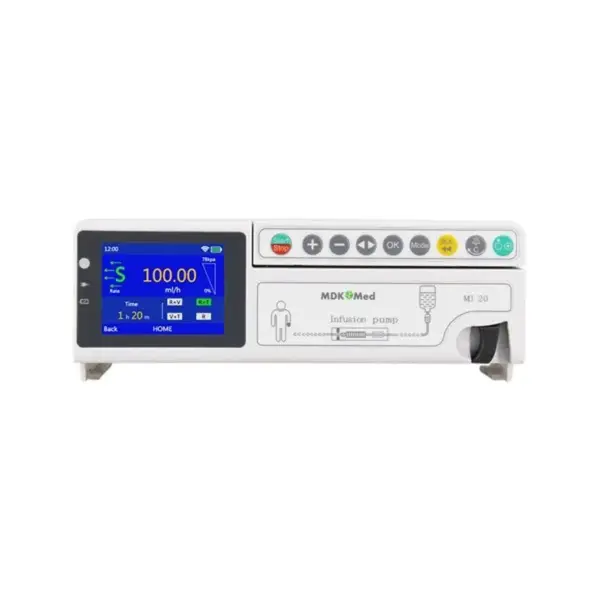
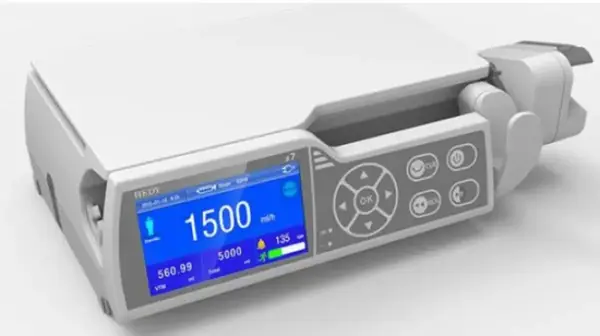
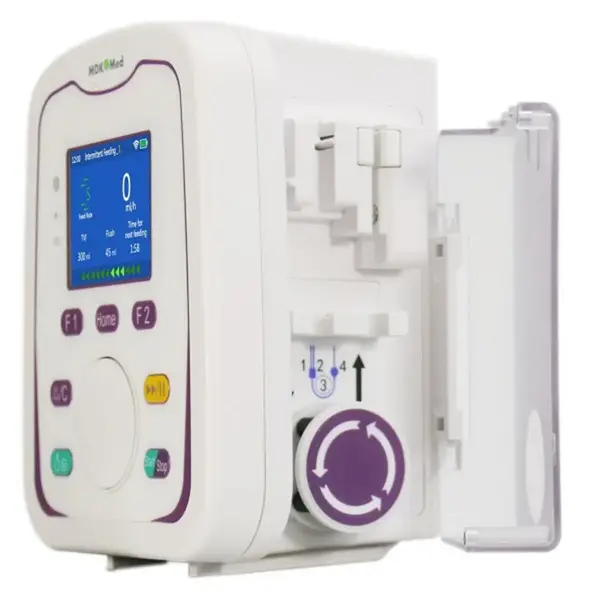
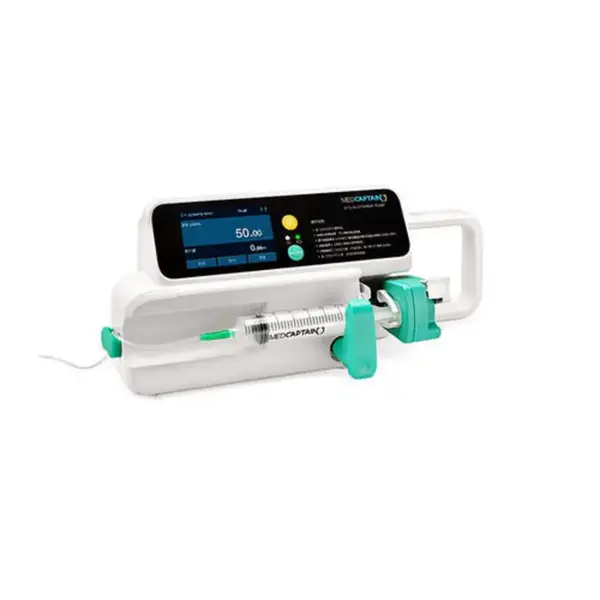
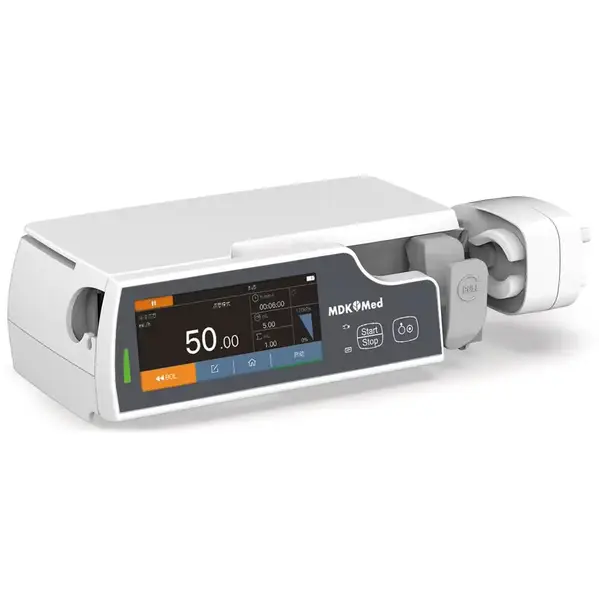
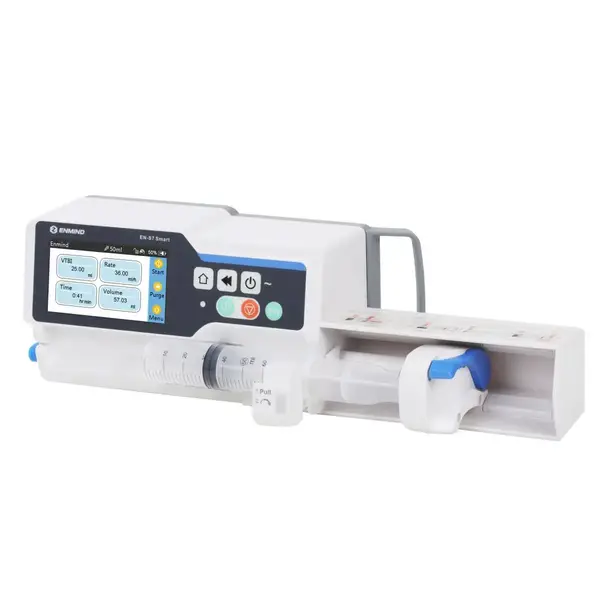
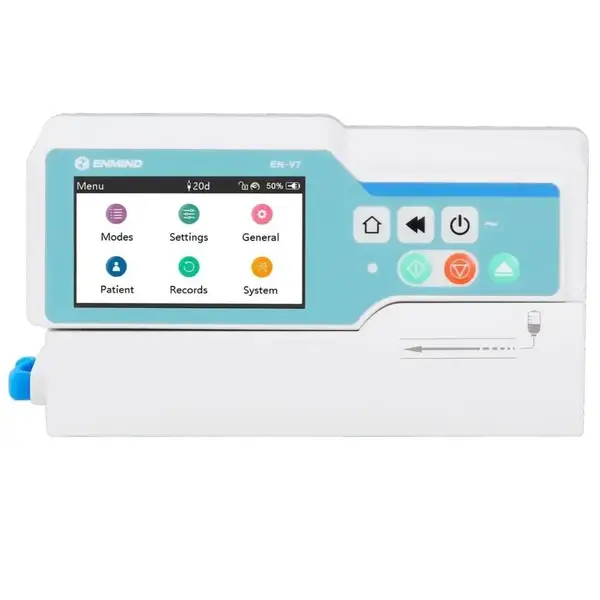
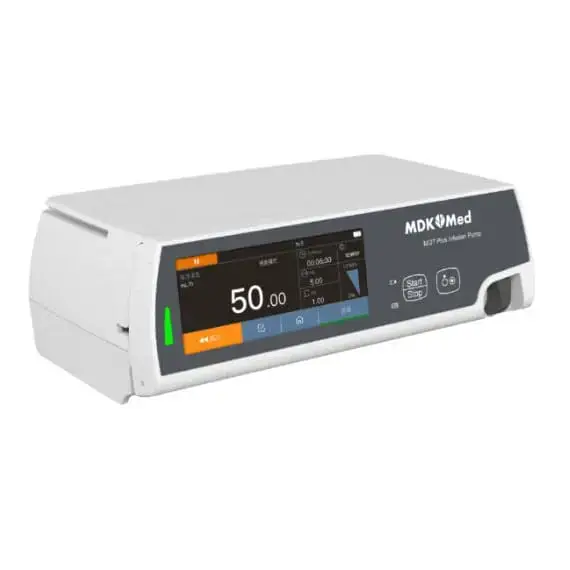
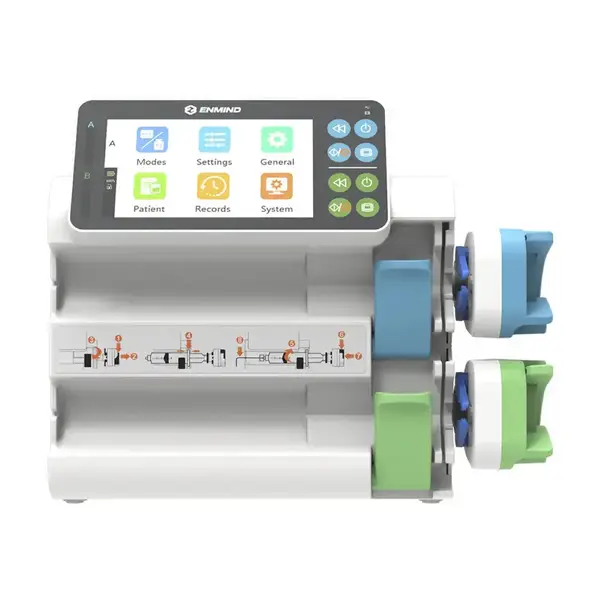
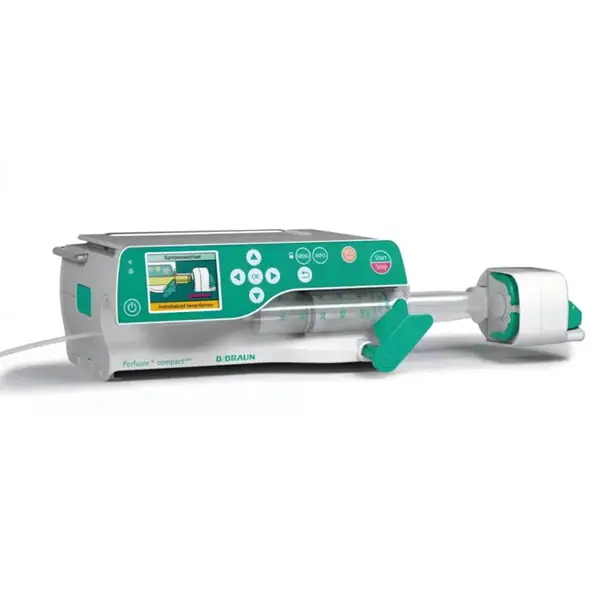
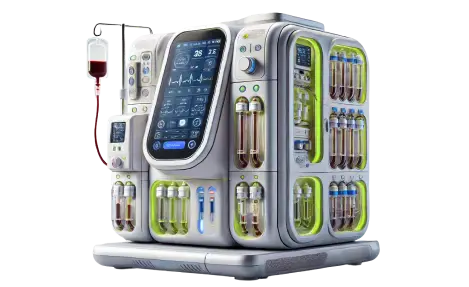
Syringe dispensers, sophisticated devices, provide automated drug administration in various medical facilities and class B and C ambulances.
Syringe, infusion, and enteral pumps are designed to deliver an exact amount of fluids or nutrients to the patient's body at a controlled rate.
Syringe, infusion, and enteral pumps are designed to deliver an exact amount of fluids or nutrients to the patient's body at a controlled rate.
Main types of syringe pumps
The syringe infusion pump is specially designed for emergency care, it is equipped with an LCD screen and notification mechanisms (audible/visual) in case of occlusion and malfunction of the device.
Areas of application
The syringe pump is used in hospitals, especially in intensive care units, operating rooms, and emergency departments. All models in the database have names of many drugs and dose calculations. In the settings, you can also program the patient's weight, total infusion volume, and speed/time of solution administration.
Syringe pumps are used in veterinary hospitals. Accurate delivery of medications for animal treatment is essential. Automatic models guarantee accurate dosing, increasing the safety of procedures and facilitating the work of the veterinarian. This ensures quicker treatment and reduces the risk of dosing errors.
By type of power supply
Stationary models are modular systems consisting of several syringe infusion pumps. They can be connected to a 220 V network, so they are suitable for hospital environments and long-term operation.
Portable models are powered by rechargeable batteries, which allows you to administer medications during patient transportation or in places without reliable access to power.
Portable models are powered by rechargeable batteries, which allows you to administer medications during patient transportation or in places without reliable access to power.
By control method
Control methods differ between programmable digital models and analog versions. A touchscreen medical syringe pump has advanced programming capabilities, while mechanical controls are easier to operate but offer fewer automated functions.
Features and benefits of syringe pumps
The main advantage of syringe pumps is their ability to administer medications with exceptional accuracy. This accuracy is crucial for drugs that require strict dosage control, such as anesthetics or chemotherapy drugs.
Automation of the infusion process reduces the workload on staff and ensures a constant flow rate over long periods. This automation significantly reduces the risk of human error during medication administration, which is a critical factor in patient safety.
Modern syringe pumps are safe, they automatically warn medical staff of potential problems and can prevent dangerous situations such as overdoses or line blockages.
Automation of the infusion process reduces the workload on staff and ensures a constant flow rate over long periods. This automation significantly reduces the risk of human error during medication administration, which is a critical factor in patient safety.
Modern syringe pumps are safe, they automatically warn medical staff of potential problems and can prevent dangerous situations such as overdoses or line blockages.
Syringe pump: the main parameters for selection
Before you buy a syringe pump, you need to pay attention to:
- Compatibility of the syringe volume. Since most models are designed for sizes from 5 ml to 50 ml. The required volume depends on the intended use and medication protocols.
- The range of injection speeds should be appropriate for clinical needs, typically from 0.1 ml/h to 1200 ml/h. Different medical applications require different flow rates.
- Display and control system. Models are often equipped with color touch screens with intuitive interfaces.
- Autonomy. Factors affecting the power source include battery life for portable devices and backup power for stationary models. This ensures continuous operation during power outages or patient transportation.
Benefits of buying a syringe dispenser from MediGo
MediGo offers a variety of infusion equipment with several distinct advantages. Affordable prices and various delivery options include free courier delivery in Kyiv for orders over UAH 30,000, as well as delivery by Nova Poshta across Ukraine and pickup from the warehouse. The store provides a quality guarantee for all equipment. Expert advice will help customers choose the right equipment.
FAQ
Are medical syringe pumps suitable for veterinary medicine?
Medical pumps can be used in veterinary facilities, but it is recommended to use specialized veterinary models as they offer features specifically designed for animals.
Can a syringe pump be used for infusion therapy?
Yes, medication dispensers are widely used for infusion therapy, providing precise control over the rate of drug delivery. They are used for continuous infusions that require precise dosing over long periods of time.