0 800 33 09 39Information service

Work times:
Mo
Tu
We
Th
Fr
09:00 - 20:00
Sa
09:00 - 18:00
Su
Day off
en
Spirometry
4 products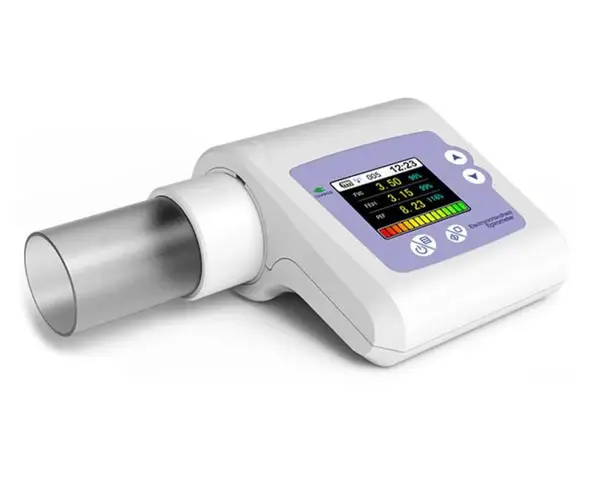

What is spirometry and why is it needed?
Spirometry is an important test that determines how well the lungs are working. A spirograph measures how much air a person can inhale and exhale, as well as how fast they can do so. This diagnostic procedure helps to assess the condition of the respiratory system and detect diseases.
You can buy a spirometer to diagnose asthma, COPD, chronic bronchitis, pneumonia, pulmonary fibrosis, and many other diseases. Early detection of disorders allows for timely intervention and proper treatment.
You can buy a spirometer to diagnose asthma, COPD, chronic bronchitis, pneumonia, pulmonary fibrosis, and many other diseases. Early detection of disorders allows for timely intervention and proper treatment.
Types of spirometers
Spirometers measure various respiratory parameters, (FVC), (FEV1) and the ratio between them (FEV1/FVC). These measurements provide valuable information about lung function and help identify obstructive or restrictive breathing patterns.
Mechanical spirometers
Mechanical models work on physical principles, using volume to measure airflow. They typically have a chamber with a piston or bellows system that moves in accordance with the patient's breathing. The main advantages of mechanics are reliability and durability, no need for electricity, and lower cost, although they do not have advanced analytics.
Electronic (digital) spirometers
Electronic models use sensors to convert physical readings into electrical signals for digital processing. Unlike mechanical models, they have increased accuracy, automated calculations, and data storage capabilities.
Portable spirometers
Portable devices are compact and easy to use, making them ideal for home monitoring. A portable medical spirometer is ideal for patients with chronic respiratory conditions who need regular monitoring between doctor visits and healthcare professionals conducting examinations in public places.
Computerized spirometers
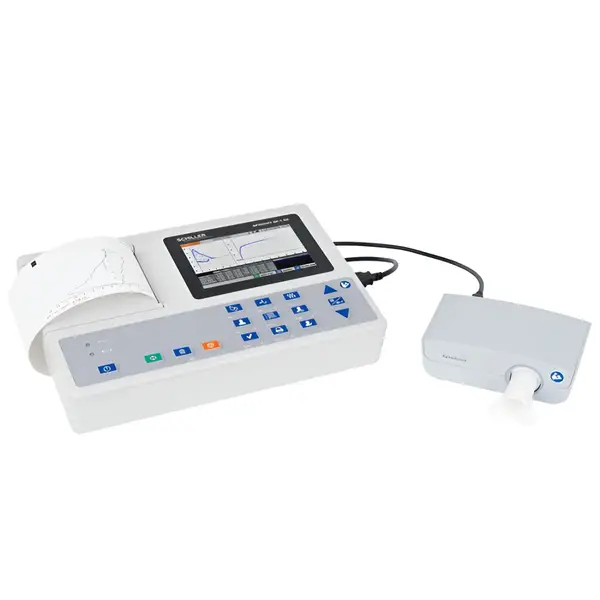
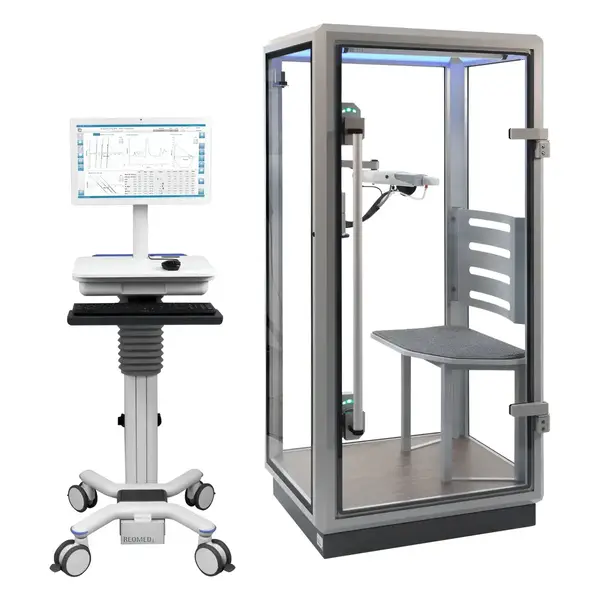
Computerized medical spirographs are the gold standard in professional medical facilities. They have high-precision sensors and sophisticated analysis software. Additional features include Bluetooth connectivity, integration with electronic medical records, and detailed graphical representation of test results for better interpretation.
Key criteria for choosing a spirometer
When choosing a spirometer, consider not only the cost of the equipment, but also the accuracy of the measurement (look for devices that meet ATS/ERS standards).
Also, the type that suits your needs (clinical, home, or professional), and the additional features available, such as data storage, large screen, and printer. Evaluate usability factors, including image clarity and ease of use.
Well-known brands and manufacturers with extensive experience provide the best reliability and support.
Also, the type that suits your needs (clinical, home, or professional), and the additional features available, such as data storage, large screen, and printer. Evaluate usability factors, including image clarity and ease of use.
Well-known brands and manufacturers with extensive experience provide the best reliability and support.
Advantages of buying a spirometer at MediGo
The online store medigo.com.ua offers medical equipment and medical devices of guaranteed quality. Our advantages are certified products that meet international standards from leading manufacturers. Our team provides expert advice to help you choose a spirometer whose price and characteristics meet your specific needs and capabilities.
FAQ
What is a spirometer?
A spirometer is a medical device that measures lung function by recording the volume and flow of air that is inhaled and exhaled.
How does a spirometer work?
Spirometers measure airflow when a patient breathes into a mouthpiece. They use mechanical displacement or ultrasonic sensors to calculate lung volume and airflow rate.
How often should spirometry be performed?
For patients with chronic respiratory disease, spirometry should be performed every 6-12 months or whenever symptoms change.