0 800 33 09 39Information service

Work times:
Mo
Tu
We
Th
Fr
09:00 - 20:00
Sa
09:00 - 18:00
Su
Day off
en
Thermometers
5 products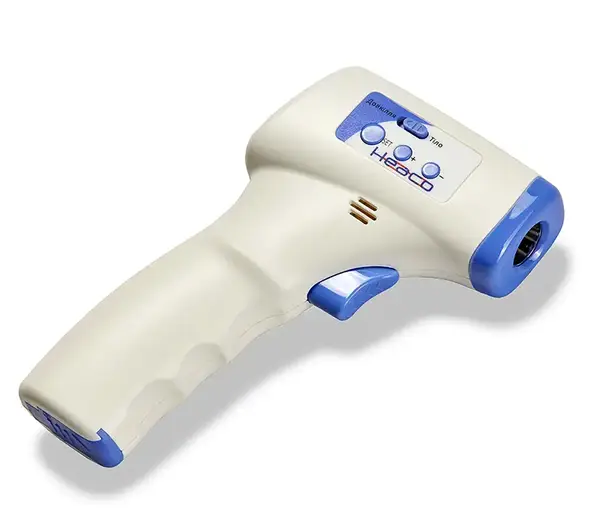
Types of thermometers - what are they?
Measuring temperature is an important diagnostic tool that helps to monitor health and detect possible diseases. Choosing the right thermometer ensures accurate readings and timely response for patients of all ages.
Mercury thermometers
A body thermometer has a glass tube containing mercury that expands when heated to provide accurate readings, but takes 3-5 minutes to measure. Despite their accuracy, mercury thermometers pose an environmental hazard if they are broken, as mercury is toxic and requires special disposal procedures.
Electronic thermometers
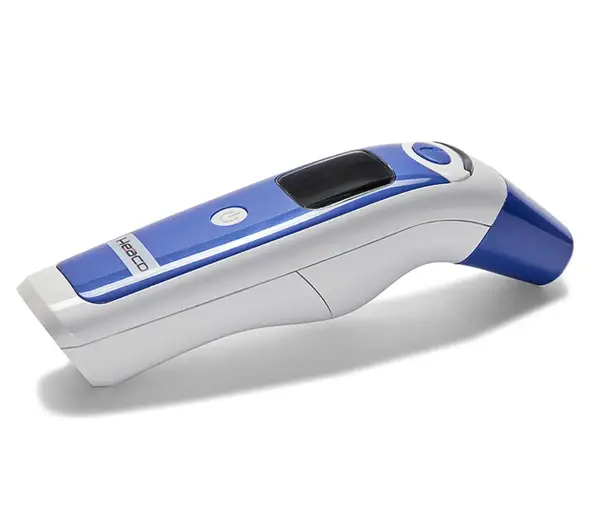
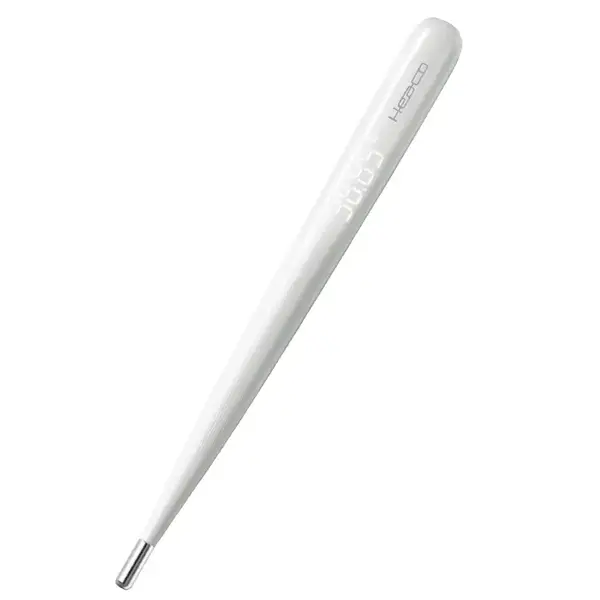
A body thermometer can be battery operated. Digital sensors detect temperature changes and display the results on an LCD screen within 30-60 seconds. Electronic thermometers have several advantages, such as quick readings, easy-to-read displays, and memory functions. They may be slightly less accurate than their mercury counterparts and, of course, require periodic battery replacement.
Infrared thermometers
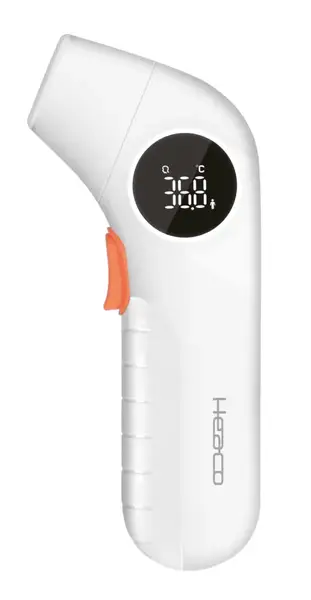
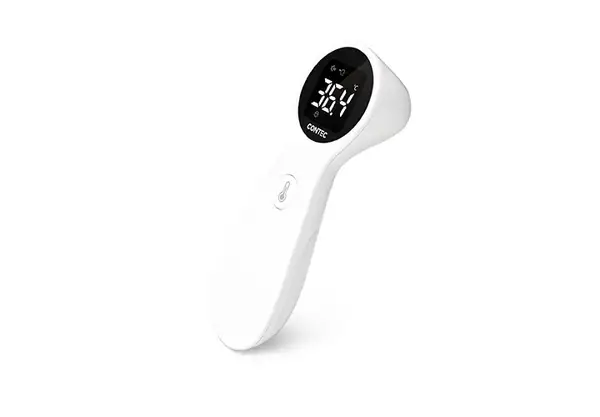
A non-contact infrared thermometer measures heat radiation from the body without direct contact, giving a reading in just 1-3 seconds. This versatile type of thermometer is used to accurately and hygienically measure the temperature of the body, air, and liquids. You can buy an infrared thermometer for children or for mass examinations.
Galinstan thermometers
Gallinstane thermometers are an eco-friendly alternative to mercury thermometers, they contain a non-toxic alloy of gallium, indium and tin. The thermometers function similarly to traditional mercury thermometers, but eliminate the toxicity issues while maintaining comparable accuracy.
Disposable thermometers
Disposable thermometers have temperature-sensitive crystals that change color to indicate temperature, making them convenient for travel and rapid diagnosis. They are not as accurate as other options, but they provide adequate readings in non-standard situations.
Disposable thermometers
Disposable thermometers have temperature-sensitive crystals that change color to indicate temperature, making them convenient for travel and rapid diagnosis. They are not as accurate as other options, but they provide adequate readings in non-standard situations.
How to choose a thermometer?
Before buying a thermometer, pay attention to:
- Measurement accuracy. For reliable diagnosis, medical thermometers should provide readings within ±0.1°C.
- Safety of use, especially for vulnerable populations such as infants and children, preferring non-contact or specially designed thermometers with soft, flexible tips.
- Time to result, for example, electronic and infrared models offer significant time savings over traditional options.
- Additional features, such as storage of previous results, an audible alarm, and a backlit display, increase the convenience of nighttime measurement and monitoring.
The price of a thermometer depends on the type of technology it uses, with basic models being more affordable than advanced infrared or smart ones with additional features
How to use the thermometer correctly?
Temperature can be measured on different parts of the body:
- Oral measurement (under the tongue) is convenient for adults and children over 4 years old. Axillary (under the arm) is less accurate but safer.
- Rectal, provides the most accurate measurement of internal temperature, recommended for infants.
- Non-contact, forehead or temporal artery measurement provides convenience, speed, and comfort.
To avoid measurement errors, make sure the device is properly positioned and wait for appropriate intervals between measurements. Follow the manufacturer's instructions for maintenance and disinfection.
What are the benefits of buying a thermometer from MediGo?
MediGo offers certified products with a quality guarantee from leading manufacturers. Our team offers professional advice to help you choose the right thermometer for your specific needs. Our thermometers are accurate and durable and help you not to miss taking antipyretic medications. We guarantee fast delivery across Ukraine, providing timely access to essential health monitoring equipment.
FAQ
Which thermometer is the most accurate for measuring temperature?
Mercury thermometers tend to provide the most accurate readings, while digital models have a slight margin of error (±0.1°C).
What is the difference between an infrared thermometer and an electronic thermometer?
Infrared thermometers measure heat radiation without physical contact, providing an instantaneous reading. Electronic models require direct contact and use digital sensors that take 30-60 seconds to register body temperature.
How long does it take to take a temperature with different thermometers?
Mercury thermometers take 3-5 minutes, electronic models take 30-60 seconds, infrared devices take 1-3 seconds, and disposable thermometers take 60-90 seconds to get results.